Why is Your Aircond Running But Not Cooling?
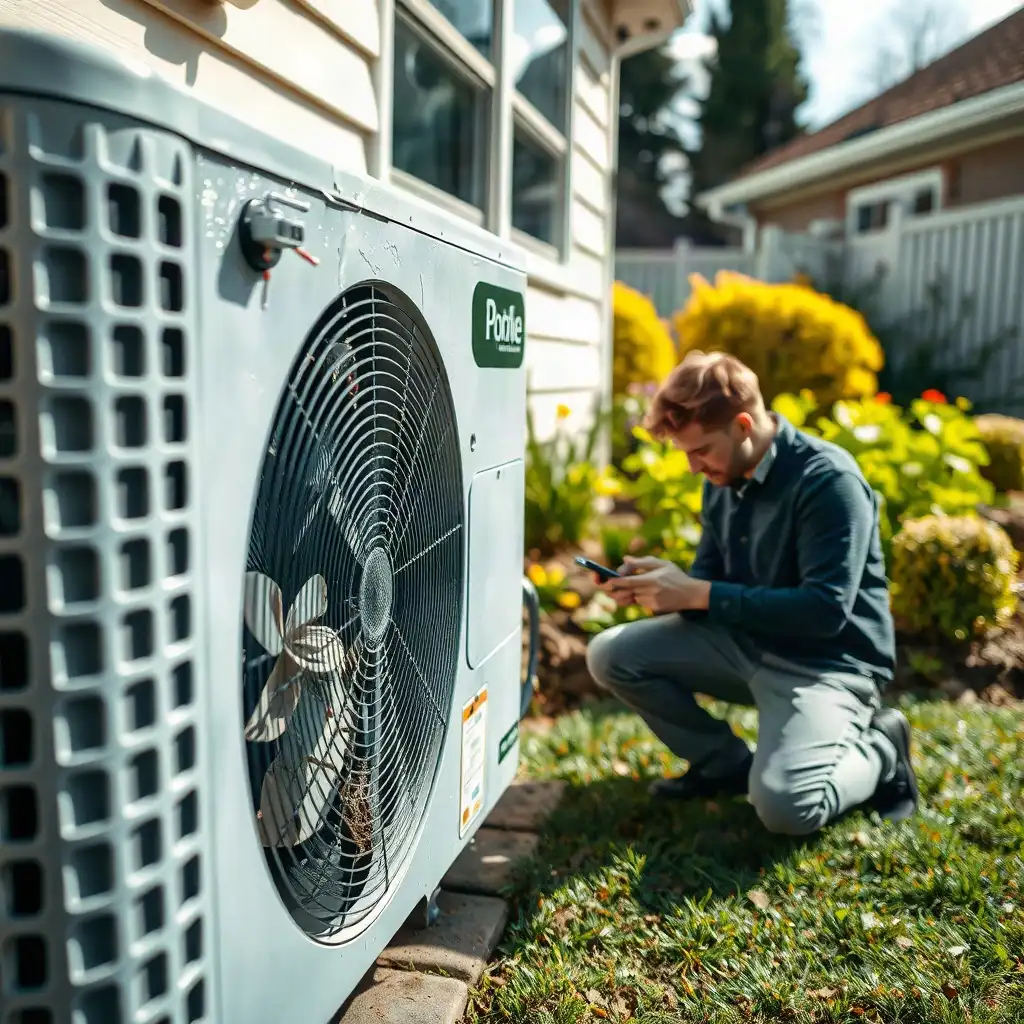
When an air conditioning unit runs but does not cool, there are issues that need fixing. Common problems include a dirty air filter blocking airflow, low refrigerant levels from leaks, or a faulty thermostat. These issues prevent the system from removing heat from indoor air, leaving homeowners uncomfortable even with the unit on. Regular maintenance and quick troubleshooting can help catch these problems early, ensuring comfort during hot weather.
Thermostat Settings and Controls
Start with the basics: check your thermostat settings. Ensure it’s set to “Cool” and that the desired temperature is lower than what you’re currently feeling. An adjustment in these settings can cause confusion, leaving you uncomfortable while your system runs without effect. If everything looks right but you’re still hot, try resetting the thermostat by turning it off for a few minutes before turning it back on; this step can help get things working again.
Potential Issues with Battery-operated Thermostats
Don’t forget about possible problems with battery-operated thermostats, dead batteries can interrupt communication between your unit and its controls. If you have a smart thermostat, watch for error codes or alerts that might indicate malfunctions or connectivity issues. These checks are key when troubleshooting cooling failures; they could save you from unnecessary service calls later when basic adjustments might effectively fix the problem.
Airflow Restrictions: Filters and Vents
Airflow restrictions can significantly impact air conditioning performance. A dirty or clogged air filter is a primary issue, as it collects dust and particles over time. When blocked, it reduces cool air flow, forcing the system to work harder, increasing energy use, and potentially causing parts like the evaporator coil to freeze due to insufficient airflow. Checking and replacing filters every 1-3 months during peak usage is essential for smooth operation.
Obstructions Around Vents
Another common problem is having items obstructing vents and ducts. If furniture, curtains, or dust block supply vents, cool air cannot move freely into rooms. Return ducts should also be clear; any debris buildup can hinder performance. Keep vents open and unobstructed so conditioned air can reach its destination.
Condition of Your Blower Fan
consider your blower fan, the component that distributes cooled air throughout the house. If the fan malfunctions, it may not push enough air through the ductwork, leaving some areas warm even if the AC unit operates properly. Professionals should conduct thorough inspections of both filters and fans to identify issues early and prevent costly repairs later.
The Pros & Cons of Air Conditioner Troubleshooting
Pros
-
Spotting simple issues like thermostat settings or dirty filters can quickly bring back the cool air.
-
Keeping up with regular maintenance, such as changing air filters, boosts system efficiency and extends its lifespan.
-
Homeowners can do some basic checks to possibly steer clear of expensive service calls.
-
Knowing about airflow restrictions aids in identifying problems caused by blocked vents or ducts.
-
Noticing signs like ice buildup encourages prompt action to avoid further damage.
-
Getting a professional diagnosis ensures that complex issues are handled properly, lowering future repair expenses.
Cons
-
Some troubleshooting steps may need technical skills that homeowners might not have.
-
If you ignore warning signs, it could lead to bigger problems and costly repairs later on.
-
Misdiagnosing an issue can cause unnecessary service calls or parts replacements.
-
Certain problems, like refrigerant leaks or electrical issues, require professional help for safety reasons.
-
Older systems might need to be replaced instead of repaired, which can mean higher upfront costs.
-
Spending time troubleshooting could delay getting professional assistance if the problem is serious.
Outdoor Unit and Condenser Issues
The outdoor unit is essential for your air conditioning system to cool your space effectively. When the condenser coils are dirty or blocked, they can’t release heat absorbed from inside your home efficiently. This reduces cooling performance and puts extra stress on parts like the compressor, potentially leading to costly repairs if ignored. Regularly check and clean these coils; removing debris like leaves and grass clippings around the unit can enhance airflow and efficiency.
Outdoor Fan Condition
Another factor to consider is the condition of the outdoor fan. If it has mechanical or electrical issues, it might not run or could spin slowly, limiting heat removal even if the indoor unit seems fine. Unusual noises may signal a problem that needs attention, so it’s wise to turn off your AC immediately and contact a professional for an assessment. Maintaining both coil cleanliness and fan operation helps keep your air conditioner running smoothly during hot summer months.
Signs of a Frozen Evaporator Coil
Identifying a frozen evaporator coil is crucial when an air conditioning unit isn’t cooling properly. The evaporator coil absorbs heat from indoor air, and ice buildup hinders this function. Signs include frost on the coil or copper lines, indicating blocked airflow, often due to dirty filters or blower fan issues. If ice is visible, turn off the AC immediately; running it can damage components like the compressor.
After turning off the system, allow time for thawing and monitor how quickly freezing recurs. Frequent freeze-ups are abnormal and suggest issues that need attention, like low refrigerant levels or airflow blockages requiring an HVAC professional’s investigation. Ignoring these signs can lead to discomfort and serious damage over time, so addressing them now can prevent larger problems later.
Signs of a Frozen Coil
– Frost forming on coils
– Ice accumulation on copper lines
– Restricted airflow
What to do
1. Turn off the AC immediately.
2. Allow time for defrosting.
3. Monitor for recurring freezing.
4. Contact an HVAC professional if needed.
Taking action early can save you headaches down the road!
Common Causes of Aircon Cooling Failure
| Component/Issue | Description | Recommended Action | Professional Help Needed | Maintenance Frequency | Notes |
|---|---|---|---|---|---|
| Thermostat Settings | Ensure thermostat is set to “Cool” and below current room temperature. | Check settings, replace batteries if applicable, reset if necessary. | Yes | Monthly inspection recommended | Smart thermostats may provide error codes. |
| Air Filter | A dirty or clogged air filter restricts airflow and cooling efficiency. | Inspect and replace filters every 1–3 months, especially during peak summer months. | No | Every 1-3 months | Check monthly in peak season; replace at least once a month then. |
| Supply Vents | Closed or obstructed vents can lead to inadequate cooling. | Ensure vents are open and unobstructed by furniture or debris. | No | Monthly check | Look for blocked return ducts as well. |
| Outdoor Unit Debris | Dirt and debris around the outdoor unit can hinder heat release. | Clear debris from around the outdoor unit and rinse the coil gently with a hose. | Yes | Seasonal cleaning recommended | Maintain at least 2 feet of clearance around the unit. |
| Frozen Evaporator Coil | Ice on the evaporator coil restricts airflow and cooling. | Turn off the AC to allow the coil to thaw; check for underlying causes if freezing recurs. | Yes | As needed | Running while frozen can cause compressor damage. |
| Refrigerant Issues | Low refrigerant typically indicates a leak, affecting cooling efficiency. | Do not attempt DIY repairs; contact a certified technician to locate and fix leaks, recharge system. | Yes | As needed | Simply refilling without fixing leaks is not effective. |
Refrigerant Leaks and Solutions
Refrigerant issues can significantly impact your air conditioning system when it is running but not cooling effectively. Unlike fuel, refrigerant levels should remain steady in a closed-loop system. If the refrigerant is low, there is usually a leak in the coils or connections. Signs include warm air from vents, longer run times without cooling relief, and ice forming on evaporator coils or lines, often mistaken for airflow problems. When these symptoms occur, contact certified HVAC professionals to find and repair any leaks.
Repairing Refrigerant Leaks
Fixing a refrigerant leak involves identifying and sealing the source of the leak before recharging the system with new refrigerant according to factory specifications. This process requires specialized tools and knowledge due to EPA regulations regarding refrigerants. While some homeowners might be tempted to quickly top off their coolant supply, this only masks underlying issues without truly fixing them, a choice that could leave you uncomfortable soon after repairs. Choosing professional help ensures compliance with safety standards and thoroughly resolves concerns affecting your AC’s efficiency.
Electrical and Mechanical Failures
It’s important to understand that electrical and mechanical failures can significantly impact your air conditioning system when it runs but fails to cool effectively. Problems like power surges or faulty wiring may keep the unit working, yet it won’t cool your home properly. Failing capacitors could prevent the compressor from starting correctly or cause it to shut down intermittently. These issues often require an expert for diagnosis and repair due to safety risks.
Electrical Issues
to electrical problems, consider possible mechanical faults in key components like the compressor. If this essential part isn’t functioning well, due to age or wear, it might run without adequately circulating refrigerant. You might notice warm air blowing through vents or hear unusual noises from the unit. Don’t ignore these warning signs; neglecting them can lead to major repairs later on.
Consulting a Professional
Consulting a licensed HVAC technician ensures any underlying problems get addressed quickly before they lead to discomfort during hot summer days ahead.
Uncovering Air Conditioning Mysteries and Misconceptions
-
Many homeowners think that an air conditioner loses refrigerant like gasoline, but low refrigerant levels usually indicate a leak in the system.
-
A common misunderstanding is that it's fine to run an air conditioning unit with a frozen evaporator coil; yet, this can cause serious damage, including compressor failure.
-
Some believe an oversized air conditioning unit will cool their home better, but this can lead to frequent on-and-off cycles and less effective dehumidification.
-
Many assume that if their AC runs but doesn’t cool well, the thermostat must be at fault; yet, dirty filters, blocked vents, or issues with the outdoor unit can also result in poor cooling.
-
Some think they can just add refrigerant to fix cooling problems; in reality, a certified technician needs to find and repair any leaks before recharging the system for proper performance.
AC Sizing and Home Conditions
An air conditioning unit that isn’t the right size can affect its ability to cool your space. If the system is too small, it may struggle to lower the temperature during hot spells, causing discomfort and putting strain on components. If an AC unit is too big, it may frequently cycle on and off without effectively removing humidity, making rooms feel damp. To avoid these issues, hire a professional HVAC technician to evaluate your home’s needs based on square footage and insulation quality.
Home Conditions
The conditions inside your home also impact how well your air conditioner works; poor insulation or high humidity can reduce efficiency. Gaps around windows or doors that let warm air in undermine the efforts of an active AC unit. High indoor humidity poses additional challenges since traditional units are not designed for moisture removal; ongoing dampness may indicate a need for repairs or suggest upgrading to a model better equipped for cooling and dehumidifying. Regular maintenance checks keep everything running smoothly, addressing vulnerabilities now helps prevent bigger problems later when summer heat arrives.
Heat Pump Reversing Valve Concerns
When it comes to heat pump systems, the reversing valve is crucial for switching between heating and cooling modes. If this valve fails or gets stuck, your system may not deliver cold air even when set to cool. You might notice warm air coming through the vents despite adjusting the thermostat.
Start by checking if the thermostat is set correctly; sometimes a simple reset, turning it off and on, can fix minor issues. If that doesn’t solve the problem, call a professional technician to check the reversing valve and other related components. Ignoring these issues could lead to inefficiencies or complete system failure as outside temperatures rise, making your indoor environment uncomfortable during warmer months.
Practical HVAC Troubleshooting Steps
When your air conditioner is running but not cooling, follow these steps to troubleshoot the issue. Check all accessible filters; a dirty filter can block airflow and reduce cooling efficiency. If you haven’t replaced it in the last month or two, swap it out for a new one. Inspect supply vents around your home, ensure none are blocked by furniture or dust, as this can stop cool air from reaching needed areas.
If those checks don’t solve the issue, inspect the outdoor unit for debris like leaves or grass clippings that might obstruct airflow around the condenser coils. Removing any blockages will help maintain efficiency. Also, listen for unusual noises from both indoor and outdoor units; strange sounds could indicate electrical or mechanical issues requiring professional assistance.
Note how long your system runs without lowering indoor temperatures after these checks. If problems persist, especially if you notice ice forming on evaporator coils, contact an HVAC specialist immediately to avoid further damage.
Ensuring Your AC Cools Effectively
To ensure your air conditioning system cools effectively, maintain its parts and settings regularly. Maintenance is essential for preventing issues. Schedule routine inspections with a qualified HVAC technician to check for wear or inefficiency in key components like the compressor and blower fan. A well-maintained unit operates more efficiently, improving cooling performance and reducing energy costs.
Simple Habits at Home
You can adopt easy habits at home to help your AC run better. Use ceiling fans to circulate cool air evenly throughout rooms, this assists your system without overworking it during peak heat times. Ensure windows are sealed to prevent warm outdoor air from entering; even small gaps can significantly affect comfort. Also, keep blinds or curtains closed on hot days to minimize heat gain in living spaces.
Understanding Indoor Comfort
learn what affects indoor comfort levels, knowing humidity control techniques is essential since high moisture makes it feel warmer than it actually is. Being proactive about these factors empowers you as a homeowner, so when summer arrives, you’ll be prepared for challenges in keeping your indoors comfortably cool.
FAQ
What should I check first if my air conditioner is running but not cooling?
Check the thermostat settings to ensure it’s on “Cool” and the target temperature is lower than the current room temperature.
How often do I need to replace the air filter in my AC system?
Homeowners should change their AC air filter every 1 to 3 months and check it monthly during the hottest summer months.
What are the signs that my evaporator coil might be frozen?
Signs of a frozen evaporator coil include frost or ice on the coil, refrigerant lines, reduced cooling performance, and increased condensate drainage.
Why is it important not to keep running an AC that isn't cooling properly?
Stop using an air conditioner that isn’t cooling properly, as it can damage parts like the compressor; look for signs like ice, strange sounds, or frequent shutdowns.
When should I call a professional for HVAC service instead of troubleshooting myself?
Homeowners should contact a professional for HVAC service if troubleshooting fails, especially with signs of refrigerant leaks, electrical or mechanical issues, strange noises, or persistent warm air.
How can I tell if my air conditioning system is the right size for my home?
For the best fit of an air conditioning system in your home, get a professional assessment considering square footage, ceiling height, insulation quality, window orientation, and local heat levels.