Why is Your Aircond Leaking Water Indoors?
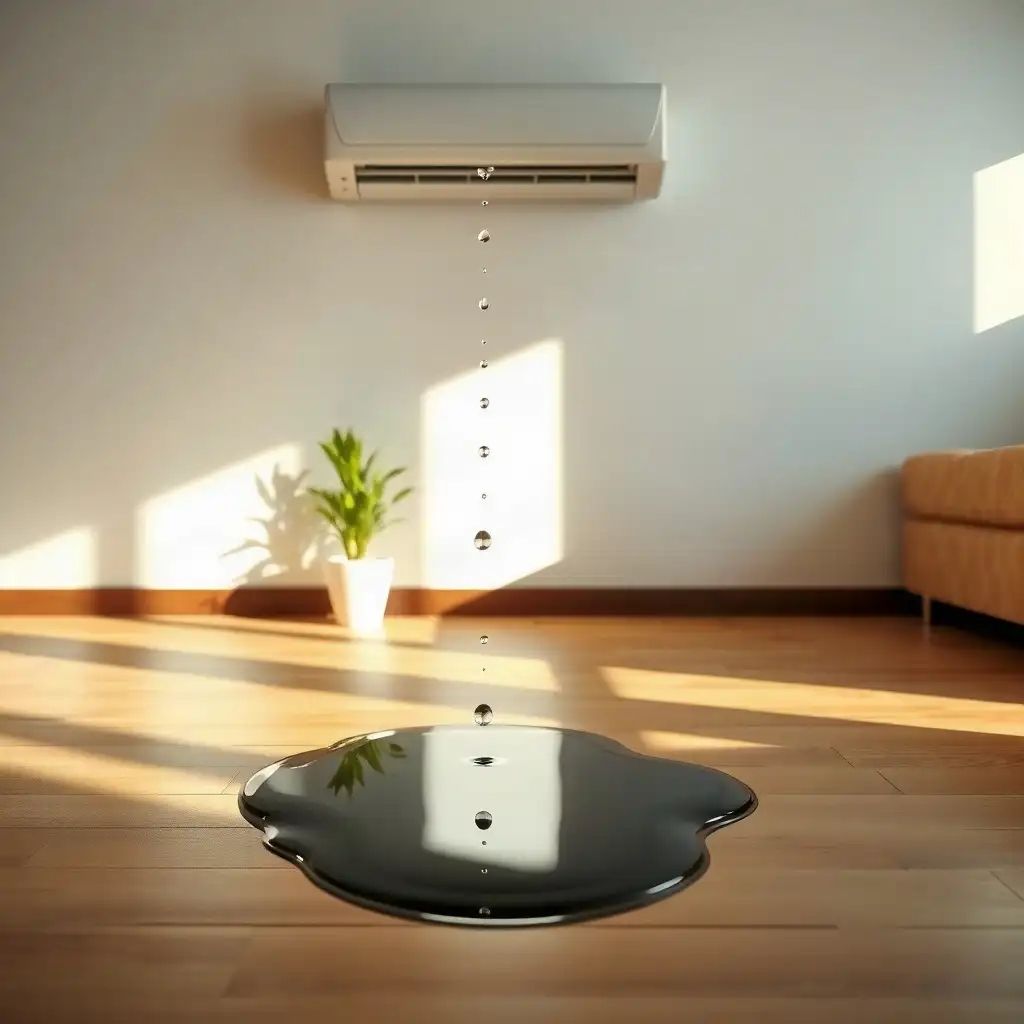
If your air conditioning unit is leaking water indoors, the condensate drain line is likely clogged. This blockage prevents proper drainage and can cause water to accumulate on floors and surfaces, requiring prompt attention. Low refrigerant levels or dirty air filters can also lead to ice on evaporator coils; when that ice melts, it creates extra water. Homeowners should regularly check these components and call a professional if issues persist.
How AC Condensation Normally Drains
Air conditioners remove humidity from the air, causing condensation that collects in a drain pan. This moisture typically flows through a PVC drain line and exits outdoors or into an indoor drainage system. Water pooling near the outdoor unit on hot days is normal. If water collects indoors, either dripping from the AC unit or forming puddles, it indicates a drainage issue.
Understanding this system is crucial; when functioning properly, excess moisture drains away without causing damage. If it fails, issues can arise, often leading to costly repairs if not addressed promptly.
Common Cause: Clogged Condensate Drain Lines
Water pooling indoors is a sign that your condensate drain line might be blocked. Dirt, dust, algae, and debris can accumulate in this line, causing a blockage that prevents proper drainage. When the system clogs, condensation backs up into the drain pan and spills onto floors or surfaces inside the home. This problem is common; many HVAC professionals report that nearly every indoor leak connects to a blocked condensate line.
Preventing Issues
Regularly checking these lines can help avoid bigger problems. If you notice leaks, look for visible blockages or use a wet/dry vacuum to remove any buildup if accessible. Avoid forcing anything through aggressively, as this could damage parts further up the line or within your AC unit. If DIY attempts don’t resolve the issue, or if you prefer not to risk worsening it, call an HVAC technician to diagnose and solve drainage issues before they lead to complications like mold growth or structural damage within 24-48 hours of exposure.
The Pros & Cons of Indoor AC Water Leaks
Pros
-
Indoor AC water leaks usually mean there's a problem with the condensate drainage, but it can be fixed easily.
-
A clogged condensate drain line is the main reason for indoor leaks, which makes it something you can handle with regular upkeep.
-
Homeowners can start by changing dirty air filters and checking the condensate pan for cracks to help prevent problems.
-
Taking quick action can stop serious water damage and mold growth that could begin within 24 to 48 hours.
-
Repair costs for indoor AC water leaks in Central Illinois range from $150 to $700, giving homeowners a clear idea of what to expect financially.
Cons
-
Ignoring a leak indoors can cause serious damage to your drywall, ceilings, floors, and carpets, leading to expensive repairs.
-
If you don’t deal with mold and structural issues quickly, you could end up spending thousands of dollars on remediation and repairs.
-
Low refrigerant levels that cause frozen coils might make things trickier and will likely need a professional for safe handling.
-
Regular maintenance is key; skipping tasks like changing the filter every 30 days can worsen the situation.
-
Homeowners may have to reach out to qualified technicians for complicated problems stemming from improper installation or damaged parts.
Impact of Frozen Coils and Restricted Airflow
One common reason an air conditioning unit leaks water indoors is ice forming on the evaporator coils. Blocked airflow, often due to a dirty or clogged air filter, causes the temperature around these coils to drop, leading to frozen moisture instead of proper drainage. As the ice melts, it can overwhelm the drain pan, resulting in leaks. This issue often arises from neglecting routine maintenance, like changing filters every 30 days; this oversight can lead to leaks, lower efficiency, and higher energy bills.
Low refrigerant levels cause frozen coils. A drop in refrigerant makes certain parts of the AC system colder than they should be, resulting in ice buildup. Odd sounds like gurgling or hissing may indicate the need for professional help. Ignoring iced-over coils and low refrigerant can lead to costly repairs, making proactive inspections and maintenance checks by qualified HVAC technicians essential for balanced airflow and proper operation.
Damaged Pans and Failed Float Switches
Drain pans are essential for air conditioning systems. When functioning properly, they catch condensation from the evaporator coils and direct it down the drainage line. If these pans become damaged due to rust, cracks, or age, they may not hold water effectively. For units over 12 years old, wear can lead to leaks inside the home. A faulty drain pan might allow water to drip onto floors instead of draining correctly.
Float Switches
Float switches are safety features that turn off the AC unit when the drain pan is too full. If this switch malfunctions, by sticking or failing, the system continues running without managing excess moisture. This issue not only exacerbates existing problems but also increases the risk of flooding in your living space. To prevent major damage and costly repairs, regularly check both the drain pan and float switch functionality. If signs of trouble arise or if there is uncertainty about their operation in your HVAC setup, contact a skilled technician for prompt assistance.
Common Causes of Indoor Aircon Leaks
| Company Name | Address | Phone Number | License Number | Years in Service | Rating |
|---|---|---|---|---|---|
| Trouble Free Heating, Cooling & Plumbing | 802 Willow St, Pekin, IL 61554 | (309) 347-5309 | CL #817040 | – | 4.7 stars from 1,000+ Google reviews |
| A-Comfort Service | 8600 Perry Hwy, Pittsburgh, PA 15237 | (412) 453-8538 | PA003560HP #3614 | Since 1988 | – |
| Service Champions | – | – | CL #817040 | – | – |
Condensate Pump and Installation Issues
A faulty condensate pump can lead to indoor water leaks. This device is crucial when gravity cannot drain moisture outside, like when an air handler is in a basement. If the motor fails or the internal float switch gets stuck, it won’t push water out of your home effectively. This could cause reservoirs to overflow and create flooding on your basement floor, a situation to avoid.
Installation Issues
Installation problems complicate drainage systems if not set up properly. An unlevel indoor unit might cause water to pool instead of flowing toward drainage points. A lack of a proper trap in the drain line may interfere with effective drainage, another common installation mistake. These issues often arise after new equipment installation; thus, professional help during setup is essential to prevent future problems.
High Humidity Levels
High humidity levels can worsen condensation issues. While air conditioners typically produce some moisture daily, especially on humid summer days, it shouldn’t lead to excessive indoor leaking. Understanding how much moisture your system handles helps you quickly spot abnormal conditions before they escalate into costly repairs or damage. If you’re unsure about any part of your AC’s operation or suspect issues with pumps or installation, contact certified HVAC assistance right away!
Safe Steps to Limit Water Damage
When water pools inside your home, act quickly to prevent damage. First, turn off your air conditioning unit to stop leaks and avoid mechanical issues. This prevents the drain pan from overflowing, which can lead to mold growth or structural damage, mold can form within 24-48 hours of moisture exposure.
Replace any dirty air filters; a clean filter boosts airflow and keeps your system efficient while reducing the risk of freezing coils. Check the condensate pan for cracks or rust; if damaged, replace it to ensure proper drainage.
If clogs in your condensate line are due to debris, use a wet/dry vacuum carefully to clear blockages without harming sensitive AC parts, avoid forcing anything through these lines. If these steps don’t resolve the issue or you’re unsure how to proceed, contact an HVAC technician before small problems escalate into costly repairs.
Immediate Actions
1. Turn off A/C unit.
2. Replace dirty air filters.
3. Inspect condensate pan for damage.
4. Clear clogged condensate line with caution.
When to Call for Help
If initial efforts don’t work or you’re uncomfortable doing them yourself, reach out for professional help from an HVAC technician right away!
Unveiling Indoor Air Conditioner Water Mysteries
-
Many people think a leak in their air conditioner indicates an issue with the refrigerant, but most indoor leaks are caused by drainage problems, not low refrigerant levels. If refrigerant is low, there is likely a leak somewhere in the system.
-
A common myth is that air conditioners don’t produce much water on humid days. High humidity can cause significant condensate to form as the air conditioner removes moisture from inside the home.
-
Some believe that a dirty air filter doesn’t affect air conditioner performance. A dirty filter restricts airflow over the evaporator coil, leading to freezing and possible water leaks.
-
Homeowners often think that after clearing a drain line, no further maintenance is needed. Regular checks are important since algae and debris can build up again and create future clogs or leaks.
-
There’s a misunderstanding that all AC units will leak water just because they're old. While older systems might develop issues like cracks in the drain pan, many leaks occur regardless of age due to improper installation or blocked drain lines.
Maintenance and Leak Prevention Strategies
Regular maintenance of your air conditioning system is essential for preventing leaks and ensuring efficiency. A routine inspection schedule can help identify potential problems early. Start with the basics: change your air filters every 30 days. A clean filter improves airflow and reduces strain on your unit. Skipping this step increases the chances of ice forming on evaporator coils and decreases energy efficiency, potentially raising utility bills by up to 15%. Also, keep your condensate drain line clear; consider flushing it regularly or using an approved cleaning solution to prevent algae buildup that can cause clogs.
Inspect Components
Check parts like the drain pan and float switch during inspections. For older AC units, especially those over 12 years old, evaluate whether these components need replacement due to wear or corrosion. A proactive approach helps catch small issues early, saving from costly repairs later.
Monitor Humidity Levels
Don’t overlook humidity levels in your home; excess moisture can stress your cooling system’s ability to manage condensation. Monitoring indoor humidity protects against water damage and creates a more comfortable living space. Regular upkeep leads to smoother operations today while helping to avoid trouble tomorrow.
Repair Costs and Professional Service Insights
Repairing water leaks from an air conditioning unit can vary in cost depending on the specific problem and services needed. Homeowners in Central Illinois typically pay between $150 and $700 for repairs related to indoor AC leaks, according to local HVAC service providers. If frozen coils or compressor issues arise, more extensive repairs or full system replacements may be necessary, which can become costly if not addressed promptly.
Carrier’s guidelines indicate that repair costs can range from $200 to about $1,500 based on the severity of the issue and the leak’s location. This variation highlights the importance of early diagnosis. Some issues may require collaboration between HVAC professionals and plumbing experts, as clogged condensate lines need HVAC skills, while blockages in household drain lines may require a plumber.
Understanding these potential costs helps with budgeting and emphasizes the importance of regular maintenance practices, which significantly reduce risks associated with major repairs.
Addressing Indoor AC Leaks Promptly
Prompt action is important when your air conditioning unit starts leaking water indoors. First, turn off the system to prevent further damage. Running a broken unit can cause problems like mold growth or structural damage within 24-48 hours of moisture exposure. After shutting it down, replace any dirty air filters; this step improves airflow and reduces the chances of frozen coils forming later on, an issue that often leads to another leak.
Check the Condensate Pan
check the condensate pan for signs of wear like cracks or rust that could prevent it from collecting and draining excess moisture properly. If you suspect blockages in your condensate line due to debris buildup, using a wet/dry vacuum can help clear them out without causing more damage, but be careful not to force anything through too hard!
Call for Help if Needed
If these steps don’t fix the issue, or if you’re unsure about handling them yourself, it’s time to call professionals. An experienced HVAC technician will quickly diagnose underlying issues and offer effective solutions before small problems turn into costly repairs that could have been avoided with quick action.
FAQ
What are the main causes of indoor AC water leaks?
Indoor AC water leaks can occur due to clogged drain lines, frozen evaporator coils, dirty air filters, damaged drain pans, malfunctioning condensate pumps, or improper installation.
How can I identify if my air conditioner is leaking condensate water or refrigerant?
Homeowners can determine if an air conditioning leak is from condensate water or refrigerant by checking for clear puddles or signs like hissing sounds and ice on refrigerant lines.
What steps can I take to prevent indoor AC water leaks?
Change air filters every 30 days, keep the condensate drain line clear, check the drain pan for damage, clean evaporator coils, ensure proper airflow, and schedule annual professional maintenance.
When should I call a professional for help with my leaking air conditioner?
Homeowners should contact a professional immediately if they notice water pooling from indoor AC leaks, as this often indicates a drainage issue that requires urgent attention.