What to Check When Your Aircond Light Blinks
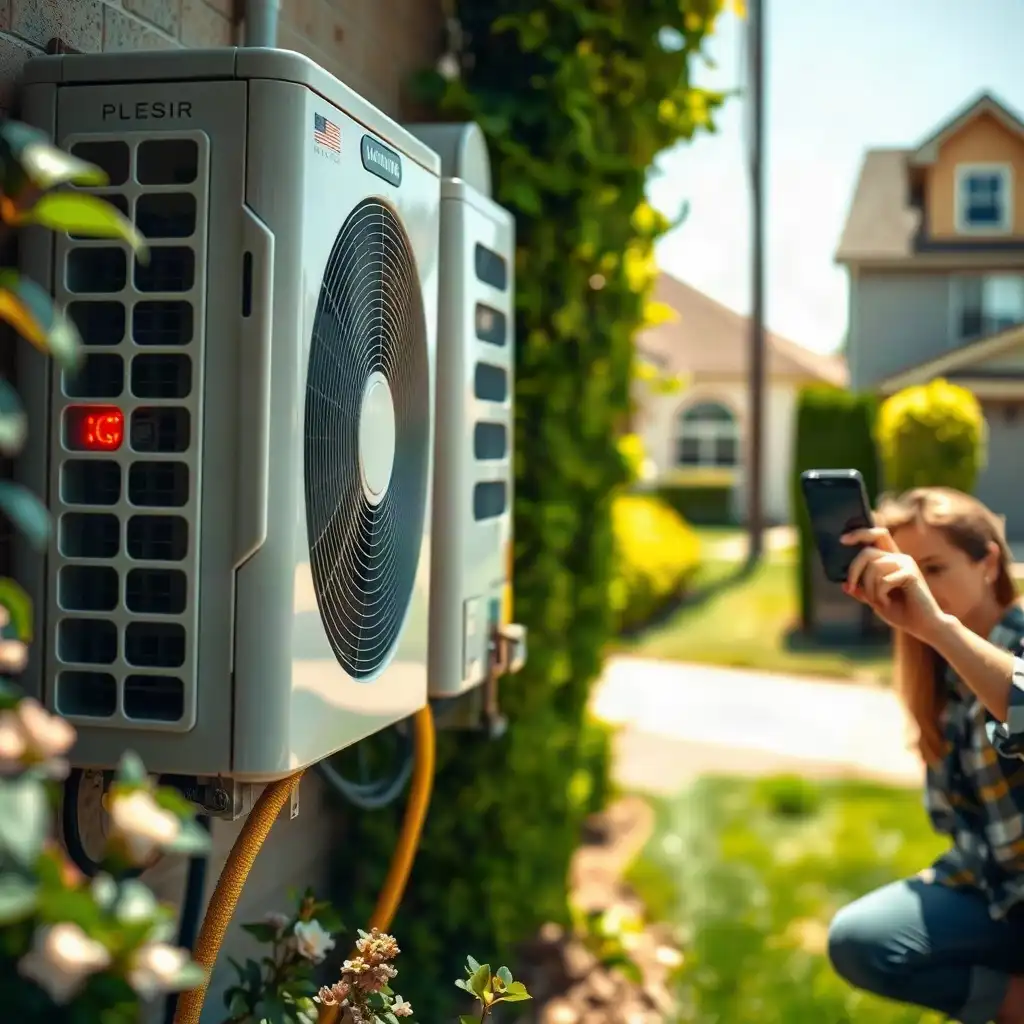
When the light on your air conditioning unit blinks, it indicates a problem. First, check the power supply. Then inspect the air filter for clogs and verify the thermostat settings. If these steps don’t resolve the issue, look into error codes specific to your model or investigate drainage issues or low refrigerant levels. Addressing these concerns quickly improves efficiency and helps avoid costly repairs.
Understanding Blinking Light Patterns
When a light blinks on your air conditioning unit, it indicates an issue that needs attention. Different brands and models have unique blink patterns that signal various problems, from minor to serious. If the system struggles to cool or stops blowing cold air while displaying this warning light, there may be a problem with its components. To interpret these signals correctly, consult the manufacturer’s manual for your unit. Ignoring persistent blinking lights can lead to decreased efficiency and costly repairs, so addressing them quickly is wise for comfort and savings.
Understanding Blinking Lights
Importance of Manufacturer's Manual
Addressing Issues Promptly
Power Supply and Resetting the Unit
A stable power supply is essential for your air conditioning unit to work effectively. Ensure the unit is plugged into a functioning outlet and check if the circuit breaker has tripped or if any fuses have blown, this could quickly resolve the blinking light issue. If everything looks fine but the warning continues, reset the system by turning it off for at least five minutes before turning it back on. This action may clear minor glitches or temporary electrical issues. If the blinking light persists after these checks, investigate potential mechanical faults or consult your manufacturer’s manual for specific error codes related to your model, which may indicate more complex problems needing professional help. Addressing these concerns early can maintain efficiency and prevent costly repairs.
The Pros & Cons of Addressing Blinking Aircond Lights
Pros
-
Fixing blinking lights on your air conditioner can help avoid poor performance and expensive repairs.
-
Keeping up with regular maintenance might make your air conditioning unit last longer.
-
Simple troubleshooting tasks, like cleaning the filters and checking airflow, can quickly solve minor problems.
-
Looking at the manufacturer's manual aids in understanding warning signals that are specific to your model.
Cons
-
If you ignore blinking lights that keep flashing, your system might fail and your electricity bills could go up.
-
Some issues need a professional to figure out what's wrong, which means you'll have to pay for service calls and repairs.
-
Problems with electrical systems or refrigerants can be dangerous if not fixed by trained technicians.
-
Figuring out why a light is blinking can take time as it may require thorough troubleshooting.
Inspecting Air Filters and Airflow
Your air conditioning unit needs proper airflow to function effectively. A common reason for a blinking light is a dirty or clogged air filter, which limits airflow and forces the system to work harder. When you remove the filter, check for visible dirt and debris; cleaning or replacing it according to your manufacturer’s instructions may resolve the issue. Clean filters can significantly improve AC performance.
Check Vents and Registers
Ensure all vents and registers are free of obstructions. Furniture, curtains, or dust can block these areas, causing poor circulation. Open vents allow cool air to flow easily into rooms and reduce strain on your HVAC system. Keeping airflow clear addresses potential blinking lights and enhances comfort.
Seek Professional Help if Necessary
If addressing the filters and removing obstacles does not improve performance, or if the warning light remains on, it could indicate deeper issues like drainage problems or sensor malfunctions. Consider seeking professional help before further troubleshooting; being proactive can save time and money in the future.
Drainage Issues and Float Switches
Water-related issues can cause the blinking light on your air conditioning unit. When condensation builds up, it should drain through the drainage line. Blockages can occur, causing water to back up into the system. This may lead to leaks and trigger safety mechanisms, like float switches shutting down operation when they detect excess water in the tray. If you suspect this is happening, check the drainage line for clogs or obstructions. Clear any debris to ensure proper flow; a simple fix could resolve both the blinking issue and prevent further problems.
Additional Signs of Trouble
If you see standing water around your indoor unit or hear strange sounds during operation, these could indicate issues with drainage components needing attention. Regularly check your drainage system to keep it running well and prevent bigger headaches later! If you’ve cleared visible blockages yet still see warning lights, it might mean there are more serious mechanical faults requiring professional help.
Quick Fixes for Aircon Light Alerts
| Issue Category | Description | Suggested Action | Contact Name | Phone Number | Email Address |
|---|---|---|---|---|---|
| Air Filter and Airflow | Clogged filters restrict airflow, leading to poor performance and potential blinking light. | Clean or replace the air filter according to guidelines. | |||
| Drainage and Water-Related Problems | Blocked drainage lines can cause water damage and trigger warning lights. | Check for blockages in the drainage line. | |||
| Refrigerant and Cooling System Issues | Low refrigerant levels may indicate leaks or inefficiency, causing a blinking indicator. | Consult a professional for inspection and topping up. | |||
| Sensors and Control Components | Faulty sensors or control components can lead to inaccurate readings and blinking lights. | Requires technician expertise for diagnosis. | |||
| Electrical and Power Supply Issues | Loose connections or blown fuses may interrupt power and trigger a blinking light. | Ensure unit is plugged in and check circuit breakers. | |||
| Mechanical and Maintenance Issues | Issues like dirty condensers or overdue maintenance can prompt blinking indicators. | Schedule regular maintenance and clean outdoor units. | |||
| Encik Beku Aircond SDN. BHD. | Air-conditioning repair provider located in Kuala Lumpur. | Encik Beku Aircond SDN. BHD. (1561739-D) | 6016-933 0266 | [email protected] | |
| 24 Hour Trade Services | Air-conditioning repair provider operating in Sydney and Melbourne. | 24 Hour Trade Services | 1300 229 897 | ||
| Vedha Aircon and Vedha Construction | Air-conditioning repair providers with a shared contact number. | Vedha Aircon and Vedha Construction | 96540044 |
Addressing Refrigerant and Sensor Problems
Low refrigerant levels can be the hidden cause of a blinking air conditioning light. Insufficient refrigerant prevents effective cooling, leading to inefficient operation and higher energy costs. This typically results from leaks or improper installation that allows coolant to escape. If low refrigerant is suspected, indicated by reduced cooling performance or hissing noises, it is essential not to attempt repairs independently; handling refrigerants requires specialized knowledge and certification.
A qualified technician can accurately diagnose the issue, seal any leaks, and recharge the system without causing further damage.
Faulty Sensors
to refrigerant issues, faulty sensors may also play a significant role. Air conditioners rely on various sensors, like temperature probes, to measure conditions accurately; when these components fail or provide incorrect readings to the control board (PCB), they may trigger warning lights. Sensor problems are complex and require professional diagnostics due to the intricate electronics involved that are not easily fixed with DIY repairs.
Keep an eye out for both these potential culprits! Recognizing when to seek expert help will save time and money while ensuring your home stays comfortably cool during hot months!
Checking Outdoor Condenser Performance
The performance of your outdoor condenser unit is crucial for addressing the blinking light on your air conditioning system. This unit releases heat from the refrigerant, and any issues can cause significant problems. Start by checking for debris like leaves, dirt, or ice that might block airflow. Keeping the condenser clean helps it transfer heat efficiently; if you see any blockages, gently remove them with a soft brush or hose, be careful not to damage the fins.
Listen for Unusual Noises
Also, pay attention to sounds while your AC is running. Strange noises like grinding or rattling from the outdoor unit could indicate trouble with parts like fan motors or compressors. The warning light may stay lit due to insufficient cooling from an underperforming condenser, a problem to address quickly before it leads to more expensive repairs.
Call for Professional Help
If you’ve checked everything but still see those blinking lights along with poor cooling performance, it’s time to call in a professional! A technician has the tools and knowledge needed to accurately diagnose potential mechanical issues within both indoor and outdoor units. They can determine whether there are deeper problems with electrical connections or other complex systems beyond basic troubleshooting at home, ensuring your comfort returns without delay!
Unveiling Air Conditioner Light Blink Mysteries
-
A blinking light on your air conditioner usually indicates a warning. This means there might be a problem with the unit, a temporary glitch, or it may need maintenance.
-
Different brands and models of air conditioners have specific blink patterns and fault codes. Check the manufacturer’s manual or service guide to understand these signals for your unit.
-
One common reason for a blinking indicator is a dirty or clogged air filter. This blockage restricts airflow, making the system work harder and possibly triggering the warning light.
-
Some think that if the light is just blinking, it's not serious; yet, persistent blinking should not be ignored since unresolved problems can lead to higher electricity bills, lower performance, and expensive repairs.
-
Basic troubleshooting steps like resetting the unit or checking power can help fix minor issues before calling an expert; yet, complex problems involving refrigerant levels or electrical components typically need professional attention.
When to Contact a Technician
Recognizing when to call a technician is essential for your air conditioning unit. If you’ve completed basic troubleshooting but the blinking light persists, don’t wait! A continuous warning often indicates deeper issues that simple fixes can’t resolve, like mechanical or electronic faults, that require expert attention. If you’ve checked the power supply, cleaned the filters, and inspected airflow without success, seek professional help immediately. This proactive approach keeps your home comfortable and prevents potential damage and costly repairs.
When seeking assistance, share details about what you’ve already tried; this information helps technicians diagnose the problem more quickly. Whether it’s sensor issues or electrical glitches, trained professionals will save you time and stress while restoring your cooling system. Remember: delaying necessary repairs could lead to bigger problems! Don’t let small concerns escalate into major expenses, contact an experienced technician whenever you’re unsure about those flashing indicators on your AC unit!
Proactive Maintenance Matters
Proactive maintenance is essential for keeping your air conditioning system running smoothly and avoiding blinking lights. Regular maintenance boosts performance and prolongs the life of your unit. Start by scheduling routine tune-ups to identify potential issues before they become expensive repairs. During these appointments, technicians will clean key parts like coils and fans, check refrigerant levels, and inspect electrical connections, tasks best left to professionals.
DIY Maintenance Tips
In between service appointments, you can take simple steps: keep filters clean or replace them based on the manufacturer’s guidelines, ensure vents aren’t blocked for proper airflow, and monitor drainage lines for clogs. Adding these habits to your routine helps reduce breakdowns and keeps energy bills in check. Being proactive gives you more control as a homeowner, making your living space more comfortable while protecting against surprise repair costs!
FAQ
What does a blinking light on my air conditioner mean?
A blinking light on your air conditioner indicates a potential issue that may require maintenance to prevent performance drops or costly repairs.
How can I troubleshoot a blinking light before calling a technician?
To fix a blinking light on your air conditioner, reset the unit, check the power supply, clean or replace the air filter, ensure proper airflow, look for visible issues, consult the documentation, and call a professional if needed.
What are the common causes of poor airflow in my air conditioning unit?
Common causes of poor airflow in an air conditioning unit are a dirty filter, blocked vents, and debris obstructing the outdoor condenser.
When should I consider contacting a professional for my air conditioner issues?
Homeowners should contact a professional for air conditioner issues if the blinking light persists after basic fixes or involves refrigerant, electrical work, sensors, or complex problems.
How often should I perform maintenance on my air conditioning system to prevent problems?
Maintain your air conditioning system at least once a year to ensure it runs well and avoid future problems; consult your manual or a professional for specific advice.