What Does an Aircond Service Include?
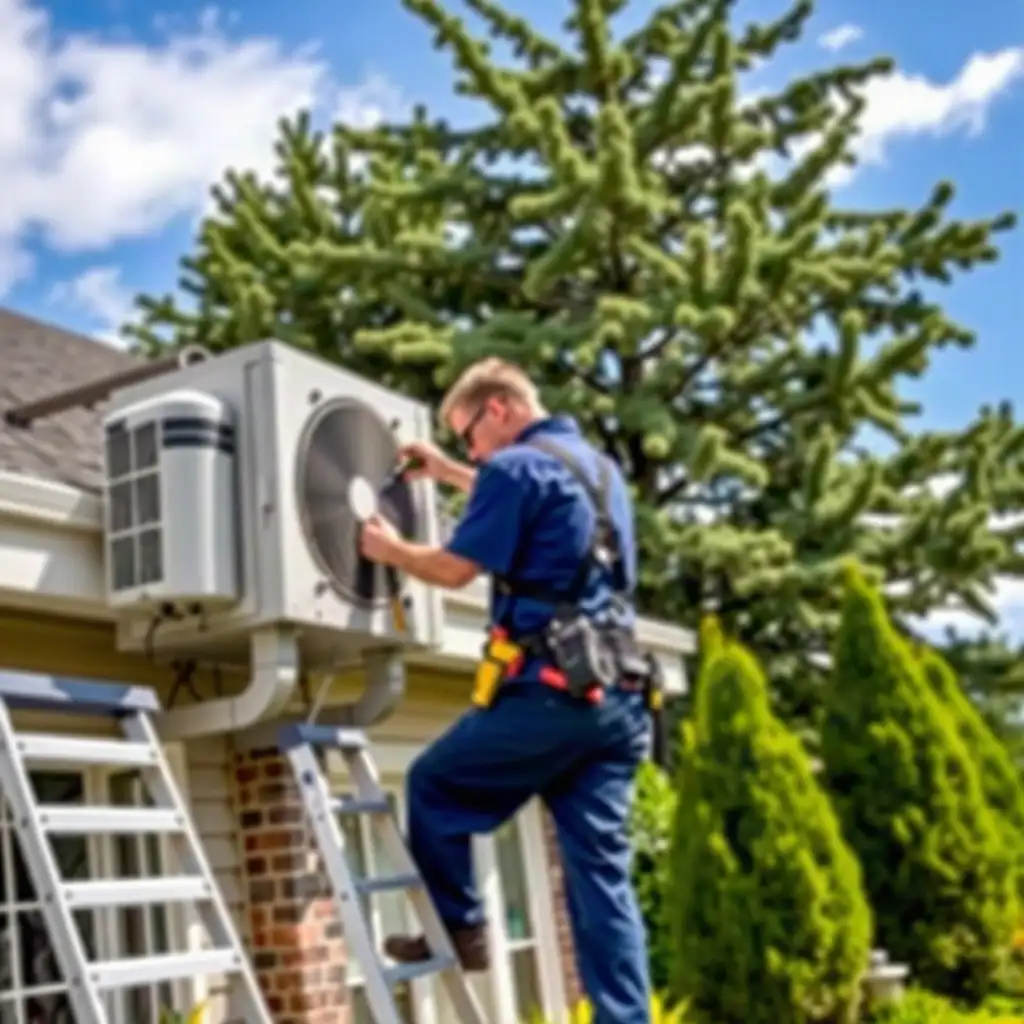
Air conditioning service is a smart move for comfort and efficiency. Technicians check systems by cleaning or changing filters, checking refrigerant levels, testing electrical parts, and ensuring proper air flow. They also inspect ductwork for leaks or blockages and may suggest ways to improve efficiency. By addressing these areas, homeowners can help their AC units last longer and run smoothly.
What Routine Aircond Service Includes
During a routine air conditioning service, the technician checks for problems with your unit, like poor cooling, strange noises, or bad smells. This symptom check guides the inspection and uncovers issues that may not be immediately obvious.
Maintenance Tasks
As part of regular maintenance, the technician cleans or replaces filters as needed. They also wipe dust from the indoor coil to improve efficiency and airflow. The drainage systems are inspected; often they require flushing to clear sludge that can cause leaks and odors. A basic outdoor unit inspection ensures there’s no debris blocking airflow and identifies any visible performance issues.
At the end of each service visit, you’ll receive feedback on what was done during your appointment along with recommendations for monitoring until your next scheduled maintenance visit.
Normal Service Vs. Chemical Wash
When it comes to air conditioning service, it’s important to know the difference between regular servicing and chemical washing. Regular service involves routine maintenance for systems that are functioning properly. During a typical visit, tasks include cleaning filters, checking indoor coils, flushing drains, and inspecting indoor and outdoor units. This level of service is effective if your system isn’t experiencing major problems beyond normal wear and tear.
Chemical Wash
In contrast, a chemical wash addresses tougher grime that can affect unit performance, issues standard cleaning might not resolve effectively. This process uses special solutions to break down dirt buildup around coils and blowers that restrict airflow and cooling efficiency. If you’ve noticed musty smells or weak airflow even after recent services, consider a chemical wash about six months to a year after your last deep cleaning. It’s crucial to discuss any specific issues with your technician so they can recommend the appropriate service instead of adhering to set schedules.
The Pros & Cons of Aircond Servicing Explained
Pros
-
Regular air conditioner servicing boosts cooling performance and cuts down on electricity use.
-
Maintenance can lengthen the unit's life, which might help you avoid costly repairs later.
-
Routine checks catch problems early, stopping bigger issues from arising.
-
Cleaning your air conditioner often improves indoor air quality by removing dust and harmful particles.
-
Scheduled servicing can fit your specific usage needs, improving overall efficiency.
Cons
-
Routine servicing usually doesn't cover deep cleaning or refrigerant top-ups, which can lead to extra costs.
-
The services offered can differ quite a bit between different providers, which might cause confusion about what's actually included.
-
Customers often need to check service details ahead of time to steer clear of unexpected charges for repairs or more extensive cleaning.
-
Recommendations on how often to get servicing done vary and largely depend on personal use and environmental conditions.
-
Some issues might still occur even after routine maintenance, requiring additional diagnosis or repairs.
When Overhaul Cleaning is Necessary
If your air conditioning unit has run for several years or has recurring issues, it might be time for an overhaul cleaning. This deep clean goes beyond basic maintenance and chemical washes. It typically involves disassembling the indoor unit to access hidden areas like the blower fan, drain pan, and evaporator coil, parts often missed during regular servicing. Consider this if you’ve noticed ongoing water leaks after previous cleanings or a persistent bad smell despite attempts to freshen your system.
Units that have not been used for a long time can also benefit from this detailed attention.
During an overhaul cleaning appointment, technicians carefully disassemble components so each piece receives proper care; they’ll clear dirt buildup and grime that could affect performance over time. For air conditioners older than five years without serious cleaning history or those showing major efficiency problems, even after routine checks, this service is crucial for comfort and durability. Being aware of your system’s age and condition can help determine when this intensive approach is needed while keeping energy costs down by ensuring optimal function throughout its lifespan.
Addressing Drainage, Leakage, and Odours
Water drainage issues often affect air conditioning systems, making it important to address them during regular service. When a technician visits, they check the drain line for blockages that can cause leaks. Water pooling near the unit may indicate debris clogging the drain pipe. In these cases, flushing the drain line removes sludge or algae, common causes of odors and moisture problems.
Musty smells from the AC unit could signal mold growth in damp areas with stagnant water. During servicing, technicians inspect components to identify sources of odor and leakage. They focus on indoor coils and trays, as dust can trap moisture; cleaning these parts improves efficiency and reduces health risks associated with poor air quality.
Ensuring Unimpeded Airflow
Beyond fixing immediate problems like leaks or unpleasant smells, keeping airflow clear throughout the units is crucial. Technicians examine ductwork connections and outdoor units for obstructions that could impact performance over time, a vital step for optimal function.
At every stage, from identifying symptoms through inspections to preventive measures, the goal remains clarity: what was done? What still needs monitoring? Open communication ensures you’re informed about maintaining peak operational standards until the next scheduled maintenance session.
Essential Components of Air Conditioning Service
| Service Type | Description | Recommended Frequency | Estimated Duration | Cost (if applicable) | Contact Information |
|---|---|---|---|---|---|
| Normal or General Service | Routine maintenance including filter cleaning, basic indoor-coil cleaning, drain check/flushing, and performance testing. | Every 6 months for residential units; every few months for daily-use units | 30 to 45 minutes | RM80 for diagnosis/inspection per unit | Recommend.my – Customer Email |
| Chemical Cleaning | Deeper clean using a special chemical solution to remove stubborn grime, including all tasks from general cleaning plus deeper coil and blower cleaning. | Every 6 months to a year if the unit is very dirty or has persistent issues | Varies by model condition | 603 74911770 – Customer Telephone | |
| Overhaul Cleaning | Most thorough cleaning option involving dismantling the unit and cleaning individual components, including areas not accessible in standard cleanings. | If the unit has been unused for over a year or has persistent issues after chemical cleaning | Varies by model condition | ||
| Full Aircond Service | Comprehensive service including inspection, chemical cleaning of coils, checking refrigerant levels, flushing drains, and performance testing. | Confirm with provider based on unit condition | 1 to 2 hours | www.serviceaircond.my/ – Service Booking URL | |
| General Cleaning | Includes cleaning filters, coils, and blowers; recommended for regular use units. | Every 3 to 4 months | 30 to 45 minutes | ||
| Contact for ENCIK BEKU AIRCOND SDN. BHD. | Offers air conditioning services in Kuala Lumpur. | RM99 for repair & installation | 6018-929 4628 / 6016-933 0266 – Phone Numbers |
Refrigerant Checks and Troubleshooting
A refrigerant check is a key part of air conditioning service, ensuring the system runs smoothly. When a technician examines your unit, they check refrigerant levels; low levels can cause poor cooling or damage over time. If cooling performance declines after service, there may be a leak or additional issues beyond routine cleaning. Technicians look for signs of leaks, often using special tools, to identify problems before making repairs.
Once all checks are completed, you will receive an explanation of the findings. The technician may recommend actions based on the unit’s current performance and its history from previous services. While checking refrigerant levels is part of standard maintenance, adding gas is not included unless there is proof of low amounts due to leaks or other issues.
Importance of Regular Service
By keeping up with regular servicing, usually recommended every six months, you’ll improve comfort and efficiency in your home. Noticing changes in temperature or unusual sounds will aid communication with technicians during visits: better communication leads to tailored solutions rather than relying solely on general schedules.
Recommended Service Frequency by Usage
The frequency of air conditioning service is crucial for optimal performance and longevity. This depends on usage and the surrounding environment. For residential systems that run frequently, especially in humid or dusty areas, maintenance every six months is recommended. If using the AC daily or for long hours, as in a small office, consider servicing it every three to four months. Proactive maintenance helps prevent issues like dirt buildup on coils or clogged filters, which can reduce cooling efficiency.
When scheduling services, inform the technician about your system type and any issues you’ve noticed, like reduced airflow or unusual sounds. This information aids in diagnosing problems and allows technicians to tailor their inspections based on your unit’s specific needs. Early attention through regular maintenance can save on costly repairs and help manage energy costs.
Service Frequency Recommendations
Setting a proper maintenance schedule based on AC usage and surroundings will enhance home comfort and significantly extend its lifespan. Stay informed about best practices regarding maintenance intervals to effectively discuss needs with professionals during scheduled visits.
Air Conditioning Service: Facts and Myths Unveiled
-
Many people think getting air conditioning serviced includes a refrigerant gas top-up. This isn’t true; more refrigerant is needed only if there’s a leak or low levels.
-
A common belief is that every air conditioning service includes cleaning of the blower and outdoor coil. In reality, deep cleaning may be an extra feature or part of a specialized service like chemical washing, depending on unit performance and the type of service booked.
-
Some believe they don’t need regular maintenance for their air conditioning system if it seems to work fine. Experts suggest routine servicing at least once a year to enhance cooling performance, lower energy costs, and extend unit life.
-
People often think filter cleaning doesn’t need to happen often. Some sources recommend cleaning air filters every two weeks or at least monthly, especially for regularly used units.
-
There’s a widespread idea that all air conditioning service providers use the same maintenance checklist for repairs or check-ups. The truth is that what gets done can vary based on who you hire, the kind of service you're getting, and how your specific unit is designed, so it's important to ask what's included in your quote before proceeding.
Verifying the Technician's Work
When a technician arrives for your air conditioning service, check their work to ensure quality maintenance. Start by addressing any reported issues, like poor cooling or unusual noises since the last visit. The technician will likely review tasks completed during the inspection, like cleaning filters and checking drainage systems.
To confirm everything was handled correctly, ask about specific parts of the routine check-up; inquire whether they cleaned both indoor and outdoor coils or if components like blowers or drains need more attention. A reliable technician should also provide information on performance indicators, like airflow strength and noise levels, to help you plan for future services.
After testing the cooling functionality and ensuring no outstanding issues remain, request documentation outlining what was inspected along with suggestions for monitoring symptoms. Keeping these records is useful for tracking maintenance history and planning upcoming appointments based on your unit’s performance.
Staying involved in the process gives you insight into how well your system operates while building trust with service professionals, a partnership essential for maintaining good performance without unexpected surprises.
Importance of Regular Maintenance
Regular maintenance of your air conditioning system is essential for efficiency and longevity. Sticking to a routine service schedule prevents dust and dirt buildup that can hurt performance. This proactive approach boosts cooling efficiency and improves indoor air quality by reducing allergens and pollutants. Regular inspections allow technicians to identify potential problems before they become costly repairs, like leaks or broken parts.
During each service visit, tasks like cleaning filters, checking coils, clearing drainage systems, and testing functionality are performed. Each step aims to keep the unit running efficiently while using less energy. Neglecting a unit may lead to airflow issues from clogged filters or dirty coils; consistent care makes a significant difference.
Timing Your Services
Knowing when these services should take place is key for optimal functioning, a recommended timeframe of six months for residential units ensures that daily use does not lead to decreased efficiency. If you’ve noticed strange noises or reduced cooling effectiveness between visits, don’t ignore those signs; they indicate that more frequent check-ups could be beneficial.
Prioritizing regular maintenance creates reliability around your air conditioning system, shifting the relationship from reactive to preventative with a focus on comfort and savings over time.
FAQ
What is included in a typical air conditioning service visit?
A standard air conditioning service visit includes cleaning filters, basic indoor-coil cleaning, checking or flushing the drain, conducting an inspection, and testing the unit.
How often should I schedule routine maintenance for my air conditioning unit?
Homeowners should maintain their air conditioning units at least every six months, or every three to four months for frequently used units, to ensure efficiency and longevity.
What are the differences between normal service, chemical cleaning, and overhaul cleaning?
Normal service handles routine maintenance and basic inspections, chemical cleaning addresses tough grime, and overhaul cleaning involves disassembling the unit for thorough maintenance.
Does routine servicing automatically include refrigerant gas top-up or repairs?
Routine servicing may not include refrigerant gas top-ups or repairs, so customers should verify with their service provider if these are part of the quoted price.
What symptoms indicate that my air conditioning unit may need deeper cleaning or repairs?
Symptoms indicating an air conditioning unit needs deeper cleaning or repairs include weak airflow, musty smells, persistent water leakage, and ineffective cooling after servicing.
How can I ensure that I am getting a fair quote for air conditioning services?
To get a fair quote for air conditioning services, customers should clarify included tasks and check for extra fees for repairs or refrigerant work. For the companion guidance on service interval guidance, see this article.