What Can You Safely Clean on Your Aircond?
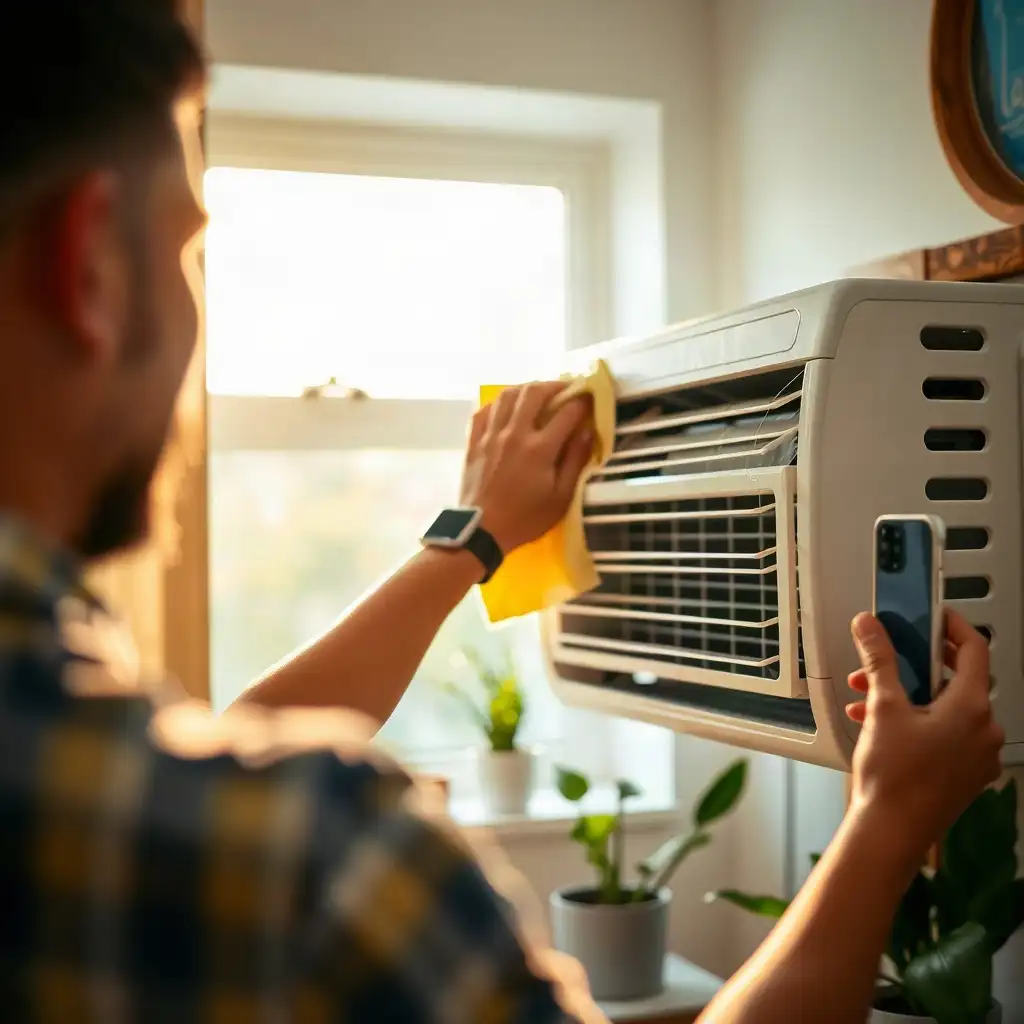
Homeowners can clean their air conditioning units to boost efficiency and improve indoor air quality. Regularly cleaning the air filter, evaporator coils, and condenser coils keeps the system running well and lowers health risks linked to poor air circulation. Use gentle cleaning solutions and follow safety precautions, like disconnecting power before starting, to create a comfortable living space while being mindful of the environment.
Safe Preparation and Power Disconnection
Before you start the cleaning process, make safety your top priority. First, disconnect the power to your air conditioning unit. If it’s a plug-in model, unplug it from the wall outlet. For hardwired units, turn off the circuit breaker for your A/C system. This step prevents electrical shock while working on the appliance.
Once you’ve confirmed that all power is off, gather the tools and materials you’ll need: a screwdriver (Phillips or flat-head), a soft brush for delicate spots, a vacuum cleaner with a brush attachment, mild detergent or specialized coil cleaner for stubborn dirt, warm water for rinsing, and cloths or paper towels for drying components. With everything ready and safety precautions in place, you’re set to maintain an efficient air conditioning unit that keeps your indoor space comfortable!
Cleaning the Removable Air Filter
Begin the cleaning process by focusing on the removable air filter, essential for airflow and indoor air quality. Gently unclip or unscrew the front cover to access it, as this may vary by unit model. After removing the filter, rinse it thoroughly under running water with gentle pressure to avoid damaging its fibers. For tough dirt, use a mild detergent and a soft brush, then rinse again until clear water flows off. Shake off excess moisture and let it dry completely in a shaded spot; a damp filter can encourage mold growth.
Inspecting Evaporator Coils
While you’re waiting for your filter to dry, check the evaporator coils behind it. Dust accumulates here and can affect efficiency over time. Use your vacuum cleaner’s brush attachment to remove debris from the aluminum fins without bending them, a common mistake with stiff brushes! After vacuuming, lightly spray non-foaming detergent onto the coils and let it sit briefly before rinsing with clean water from a spray bottle.
Cleaning these parts boosts performance and reduces health risks tied to poor indoor air quality, worth your time! Watch for signs like decreased cooling power or musty smells as hints that maintenance is needed; regular upkeep will help keep everything running smoothly during warmer months ahead!
The Pros & Cons of Air Conditioner Cleaning Options
Pros
-
Regular cleaning improves airflow and cooling efficiency.
-
It lowers the chances of mold growth by keeping components clean and dry.
-
Services like Daikin Malaysia’s Go Clean offer trained technicians for comprehensive maintenance.
-
You can save money with DIY cleaning, which requires only a few basic tools.
-
Cleaning every three to six months helps maintain top performance and saves energy costs.
-
Professional services often include warranties, such as Daikin's 60 days workmanship warranty for re-service.
Cons
-
DIY cleaning might not work for every type of air conditioner, and using the wrong methods could cause damage.
-
Professional services come with costs that can change depending on which package you choose and the type of unit you have.
-
Cleaning takes time and effort, especially for more complicated tasks like taking out the unit to access the condenser.
-
Signs that suggest a need for cleaning don't always match up with actual performance problems, which can lead to unnecessary maintenance.
-
You may find professional services are only available for certain models, meaning some units won't qualify.
-
If you're not careful during DIY cleaning, improper handling can lead to injuries or electrical hazards if safety measures aren't followed.
Vacuuming Evaporator Coils and Fins
With your air filter drying, turn your attention to the evaporator coils and fins. These parts are crucial for cooling efficiency and require regular care. Start by inspecting the coils for dirt or dust buildup. Use a vacuum with a brush attachment to gently remove debris from between the aluminum fins, being careful not to bend them.
Once you’ve removed loose particles, apply a mild non-foaming detergent designed for coil cleaning. Lightly spray it onto both the coils and fins, allowing several minutes to break down stubborn grime. Rinse thoroughly with clean water from a spray bottle to ensure no residue remains. This method helps restore airflow and reduce allergens in your home.
Stay alert as you work; reduced airflow or unusual noises may indicate further maintenance is needed! Regular cleanings will lead to better efficiency and healthier indoor air quality.
Cleaning the Condenser Safely
The condenser, located at the back of your window unit, requires regular cleaning to function effectively. Start by removing debris like leaves or dirt that has accumulated around it, as this can lead to contamination. Use a gentle hose with low water pressure to wash off grime, avoiding direct water on electrical components to prevent issues.
If your air conditioning unit is installed high and is difficult to reach from outside, you may need assistance to safely remove it from its sleeve for thorough cleaning. With help, carefully unscrew the screws holding the unit in place and slide it forward using designated indents on its frame. Once removed onto a stable surface or taken outdoors, hose down the condenser. After cleaning, ensure everything is securely reattached before plugging the unit back in; these steps are essential for efficient cooling during hot months!
Safe Cleaning Essentials for Your Air Conditioner
| Component | Cleaning Method | Tools Required | Cleaning Frequency | Signs Cleaning is Needed | Cautions |
|---|---|---|---|---|---|
| Front Cover | Unclip or unscrew for cleaning | Phillips or flat-head screwdriver | Every 3-6 months | Reduced airflow and cooling efficiency | Handle carefully to avoid damage |
| Removable Air Filter | Rinse under running water; use mild detergent if needed | Soft cleaning brush, hose | Every 3-6 months | Musty odour, visible dust around vents | Ensure filter is completely dry before reinstalling |
| Evaporator Coils | Vacuum with brush attachment; spray with mild detergent | Vacuum cleaner with brush attachment, spray bottle | Every 3-6 months | Loud or unusual sounds, stale smell when unit runs | Avoid bending fins during cleaning |
| Condenser | Remove debris; hose down with light pressure | Hose | Every 3-6 months | Increased unexplained energy bills | Be cautious of electrical components |
| Drain Hose | Flush with hot water; add bleach or mild detergent if needed | Hot water, bleach or mild detergent | Every 3-6 months | Water dripping from the unit | Ensure proper reinstallation after cleaning |
| Front Cover (Post-Clean) | Wipe with damp cloth and mild detergent | Cloth, paper towel | After each cleaning |
Flushing the Drain Hose
The drain hose is a crucial part of your air conditioning unit that often gets ignored. It removes excess moisture created during cooling, preventing water damage and mold growth in your home. To clean the drain hose, locate it at the bottom of your unit. Carefully disconnect it to avoid damaging connectors. Place a bucket or basin underneath to catch any leftover water.
After removing it, pour hot water through the entire length of the hose to break down debris. For tougher clogs caused by algae or grime, mix in mild detergent or bleach for better cleaning results. If outdoors, a high-pressure garden hose can quickly clear blockages. Once flushed, securely reconnect all parts before turning on your AC again to ensure proper drainage and maintain low humidity levels while allowing smooth airflow during hot summer days.
Recommended Cleaning Frequency and Signs
Maintaining your air conditioning unit is essential for home comfort, and knowing when to clean it can help avoid bigger problems. Clean every three to six months. If that feels overwhelming or if you don’t use your AC much, a thorough cleaning once a year before summer should suffice. Watch for signs indicating maintenance: reduced airflow may mean blockages, while musty smells might signal mold growth. Unusual sounds, like grinding or rattling, or unexpected spikes in energy bills indicate a deep clean is needed.
Regular maintenance boosts performance and maintains indoor air quality. Dust around vents indicates buildup that could hurt efficiency and health. By taking action with timely filter and coil cleanings, you ensure your system runs well. Stay alert to any changes during operation; paying attention now helps prevent small issues from turning into costly repairs.
Discover Air Conditioner Cleaning Secrets Today
-
Window air conditioners should be cleaned every three to six months or at least once a year before summer to keep them working properly.
-
The cleaning guide describes how to clean window units, and these steps don't apply to other types of AC systems.
-
Always switch off and unplug the unit before cleaning to minimize the risk of electric shock.
-
Daikin Malaysia suggests servicing residential wall-mounted and ceiling cassette units every six months for better efficiency and longer life.
-
The EPA states ducts should only be considered for cleaning if there are specific issues like excessive dust buildup or particles being released into your home.
Understanding Professional go Clean Services
Professional cleaning services, like Daikin’s Go Clean packages, provide an easy way to care for your air conditioning unit without doing it yourself. If you’re a homeowner uncomfortable with complex parts or just want a deep clean, these services offer reassurance. It’s recommended to get this done every six months, especially for wall-mounted and ceiling cassette units. You’ll receive expert service from certified technicians trained through government partnerships.
The booking process is simple: download the GoDaikin App, choose your preferred service package, either the Pro Package or Aroma Package, and complete your payment in minutes.
Benefits
After professional servicing, you can start using your air conditioner right away with no downtime, this is especially useful during hot weather! If you’ve been dealing with ongoing odors or weak cooling after regular home cleanings, bringing in experts can help prevent bigger issues. Some parts may need special tools and techniques that professionals handle best, for example, checking deeper ductwork, but these services ensure that anyone not into hands-on maintenance can still enjoy a well-functioning AC all year long.
HVAC Filters and Indoor Air Quality
Indoor air quality depends on how well HVAC filters work. These filters catch dust, pollen, pet dander, and other harmful particles. Regularly replacing or cleaning these filters ensures good airflow and a healthier home environment. The Environmental Protection Agency (EPA) emphasizes using high-efficiency particulate air (HEPA) filters during heavy pollution, like wildfire seasons, as they effectively trap harmful smoke particles.
If allergy symptoms increase or musty smells arise indoors, inspect the filter’s condition; clogged filters limit airflow and decrease cooling efficiency while allowing allergens to circulate. Aim for a replacement schedule of every one to three months based on usage, and watch for visible dirt buildup as a sign that maintenance is needed sooner. Taking proactive steps improves comfort and promotes better indoor air quality by reducing irritants.
Mold Risks From Wet Filters
Mold growth is a significant issue for air conditioning units, especially with wet filters. After cleaning your filter, ensure it is completely dry before reinserting it. A damp environment allows mold spores to thrive, spreading throughout your home and worsening allergies or breathing problems. To reduce these risks, place the cleaned filter in a shaded area with good airflow until fully dry.
If you notice musty smells from your unit or experience increased allergy symptoms while using the AC, check the filter’s condition and any moisture around its housing. These signs often indicate excessive humidity trapped inside components, like those behind a wet filter, that could lead to mold growth if not addressed promptly. Regular maintenance checks can help catch these issues early and prevent health problems.
To minimize potential mold risks from filters and other damp areas in your air conditioning system, clean different parts based on climate conditions, a humid environment may require more frequent cleaning than drier ones. Also, inspect drain lines for blockages that might cause water buildup; stagnant water can lead to fungal growth. By maintaining cleanliness related to moisture management in your AC unit, you will support its performance and promote healthier indoor air quality overall.
Effective Air Conditioner Maintenance
Effective air conditioner maintenance involves regular cleaning and timely checks to keep your unit running smoothly. Clean your AC every three to six months. If you notice reduced airflow or strange smells, address these issues immediately, as they can lead to bigger problems.
Follow guidelines for each part: change filters regularly, vacuum evaporator coils without bending fins, rinse condensers while avoiding electrical components, and clear drain hoses of clogs. By staying on top of these tasks and monitoring performance changes, like unusual sounds or rising energy bills, you help extend your system’s life and improve indoor air quality.
Professional Help
If handling these chores feels overwhelming with your busy lifestyle, consider professional services like Daikin’s Go Clean packages for expert help tailored for homes. Regular maintenance doesn’t have to be difficult when support is available, it can become an enjoyable routine that maintains comfort in your living space!
FAQ
What are the recommended cleaning intervals for a window air conditioner?
Clean your window air conditioner every three to six months, or at least once a year before summer if used less frequently.
How do you safely clean the removable filter of a window air conditioner?
To clean the removable filter of a window air conditioner, remove it, rinse under running water, use a mild cleaning solution for stubborn dirt, and ensure it’s completely dry before reinserting.
What steps should you follow to clean the evaporator coils and aluminium fins?
Use a vacuum with a brush attachment to remove dust, then spray the fins with mild detergent and rinse with water, avoiding bending the fins.
When is it advisable to consider professional servicing through Daikin Malaysia’s Go Clean service?
Consider Daikin Malaysia’s Go Clean service for unpleasant odors or inadequate cooling, and have your air conditioner serviced every six months for optimal performance.
What precautions should you take before starting the cleaning process of your air conditioning unit?
Before cleaning your window air-conditioning unit, turn it off and unplug it to minimize the risk of electric shock; if hardwired, switch off the circuit breaker.
How does wildfire smoke affect indoor air quality, and what actions should you take regarding filters?
Wildfire smoke can harm indoor air quality, so the EPA recommends using high-efficiency HVAC filters and keeping extra filters for frequent replacement during heavy smoke. The companion guide to chemical cleaning signs covers the other part of this cleaning decision.