Myths About Aircond Maintenance You Should Know: Fact Vs. Fiction
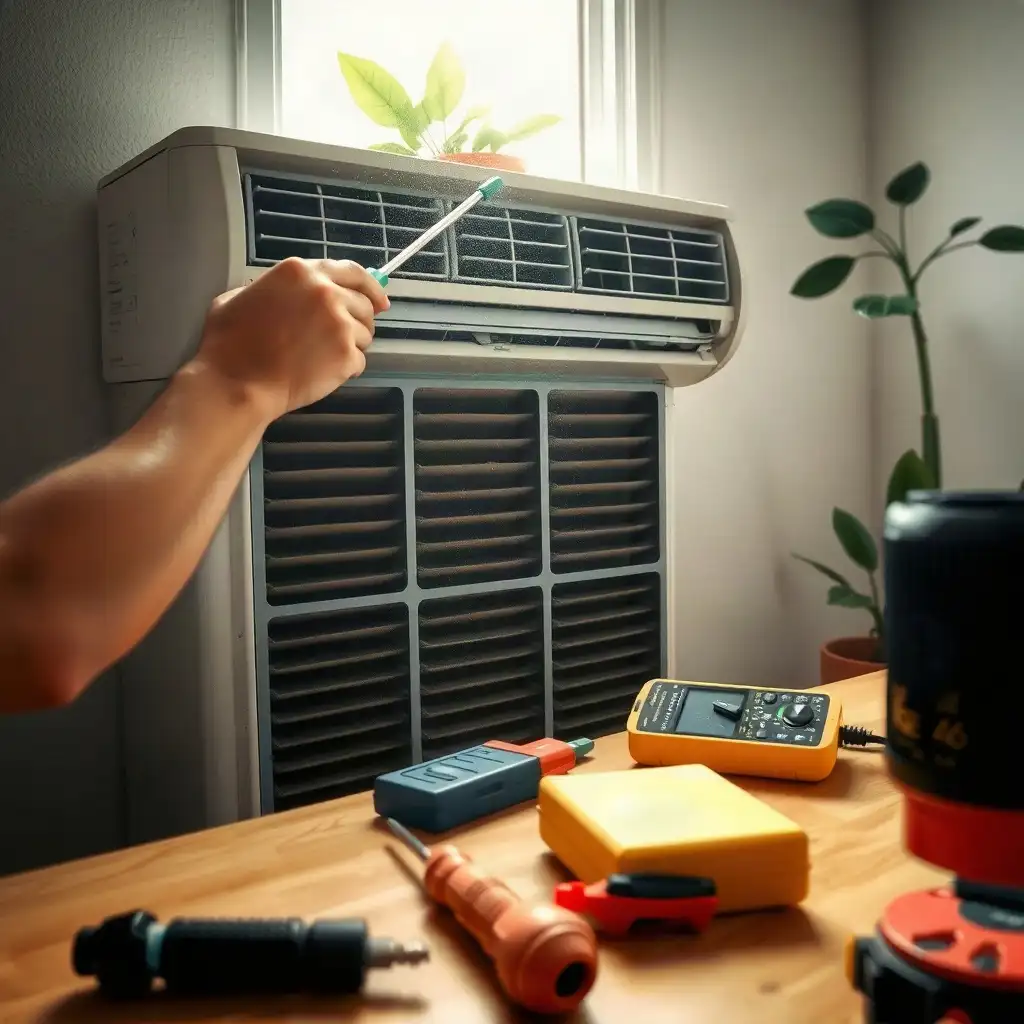
Homeowners often believe misconceptions about air conditioning maintenance, leading to costly mistakes. Refrigerant levels do not require constant top-ups; a functioning system operates in a closed loop and only needs refills if there’s a leak. Ignoring regular filter changes can reduce efficiency and indoor air quality, causing the unit to work harder and raising energy costs. By understanding these facts, homeowners can make informed choices that enhance comfort and save money over time.
Debunking Refrigerant Top-up Myths
A common myth is that you need to regularly add refrigerant for your air conditioning system to work well. In truth, a properly working AC unit operates in a closed loop, meaning the refrigerant circulates without running out like fuel. If you are constantly adding refrigerant, it’s likely due to a leak rather than maintenance needs. Major manufacturers like Daikin and Panasonic design their units to function efficiently for years without needing extra gas; many systems still run on their original factory charge after over a decade.
It’s essential to understand that adding more refrigerant doesn’t necessarily improve cooling efficiency; overcharging can stress your compressor by raising head pressure too high. This could trip breakers or cause serious damage if not addressed. Mixing different types of refrigerants can create risks, it might disrupt how your HVAC system works and compromise safety.
Signs You Might Have Low Coolant Levels
If you notice signs of low coolant levels, like inconsistent cooling or sudden increases in electricity bills, the best move isn’t just topping up but first checking for leaks. Hire a trained technician who uses specialized tools to find and fix leaks effectively before recharging the system correctly. Taking these steps will help extend your unit’s lifespan while avoiding costly repairs later and keeping energy costs manageable.
Understanding Leak Detection and Repair
Identifying refrigerant leaks is essential for keeping air conditioning systems efficient. Leaks typically occur due to cracks in copper pipes or loose connections in coils. Signs include weak cooling, hissing noises, or ice forming on parts, never ignore these symptoms. If you notice these signs along with a sudden increase in energy bills, call a professional.
A trained technician has the skills and tools needed to find and fix leaks instead of simply refilling refrigerant levels. They often use electronic leak detectors or soap bubble tests to accurately locate issues before making repairs and adding refrigerant if necessary. This thorough approach addresses immediate concerns and helps prevent future complications.
Safety Regulations
In Malaysia, strict guidelines are set under the Environmental Quality (Refrigerant Management) Regulations 2020, requiring certified technicians with CSTP certification to handle refrigerants properly. Following these regulations reduces risks related to improper refrigerant management that can harm people and the environment by depleting the ozone layer.
Managing Risks Linked to R32
When dealing with potential risks connected to R32, a commonly used refrigerant, homeowners should know its properties: it is mildly flammable under certain conditions, but accidents are rare in well-ventilated spaces where concentrations remain low. Always ensure ventilation when suspecting a leak; opening windows boosts airflow and lowers risk factors until professionals arrive for inspection and repairs.
The Pros & Cons of Air Conditioning Maintenance Myths
Pros
-
Keeping up with air conditioning maintenance boosts performance and extends the system's lifespan.
-
Regular check-ups help spot potential leaks early, saving you from bigger repair bills later on.
-
Knowing refrigerant safety regulations helps you handle materials safely while following Malaysian laws.
-
Properly sizing the system and ensuring quality installation enhance energy efficiency and comfort.
Cons
-
If homeowners believe that refrigerant needs regular top-ups, they might end up spending more money than necessary.
-
Not paying attention to signs of a refrigerant leak can cause higher electricity bills and significant damage.
-
Misunderstandings about thermostat settings can raise energy costs without providing better cooling.
-
Closing vents in rooms that aren’t being used can mess with airflow, leading to increased repair costs and inefficiency.
Refrigerant Safety and Regulations
Handling refrigerants safely is crucial for system efficiency and environmental protection. In Malaysia, the Environmental Quality (Refrigerant Management) Regulations 2020 mandate that only certified technicians with CSTP certification handle these chemicals. This regulation promotes best practices and helps prevent harmful emissions that can deplete the ozone layer. Homeowners should understand R32, a refrigerant used in modern air conditioning systems; while it is mildly flammable under certain conditions, leaks are rare when the gas disperses properly in well-ventilated spaces. If you suspect a leak, open windows or doors immediately to improve airflow until a qualified technician arrives.
Understanding Refrigerant Issues
It’s important to realize that adding refrigerant without addressing underlying problems can lead to costly issues. Improper handling often exacerbates problems. Proper training ensures technicians use effective methods like electronic leak detection tools or nitrogen pressure tests, not just quick fixes, to find leaks accurately before recharging systems with new refrigerant as needed. This care maintains your unit’s performance, supports energy savings over time, and prevents future repairs from ignored issues.
Your Role as a Homeowner
As a homeowner, it’s essential to stay informed about safety regulations and recognize how they protect people and property by guiding your choices of contractors during maintenance tasks involving refrigerants like R32.
Importance of Air Filter Replacement
Air filters are essential for keeping air conditioning systems efficient and extending their lifespan. They block dirt, dust, and allergens that can accumulate in the unit and spread throughout the home. If filters are not replaced or cleaned regularly, every 30 to 90 days, airflow may decrease. This forces the AC to work harder, increasing energy bills and wearing down parts like the compressor.
When an air filter becomes clogged, it limits airflow significantly. The AC motor must exert extra effort to maintain stable temperatures, leading to higher electricity costs and potential breakdowns due to overheating or mechanical issues. Checking the filter monthly can help identify problems before they require costly repairs.
Air Quality Improvement
Changing dirty filters not only boosts functionality but also improves indoor air quality. By trapping pollutants instead of allowing them to circulate, a healthier environment is created at home. Remember this maintenance step, it offers significant financial and health benefits while ensuring comfort during hot months ahead!
Debunking Air Conditioning Maintenance Myths
| Aspect | R32 | R410A | R290 |
|---|---|---|---|
| Flammability Classification | A2L (mildly flammable) | Non-flammable | Highly flammable |
| Risk of Explosion | Extremely rare | Not applicable | Possible under specific conditions |
| Common Usage | Most residential units in Malaysia | Older systems | Less common residential use |
| Handling Regulation | Environmental Quality (Refrigerant Management) Regulations 2020 | N/A | N/A |
| Technician Certification Required | CSTP | N/A | N/A |
| Potential Health Risks | Oxygen displacement, dizziness | N/A | Frostbite from liquid contact |
| Recommended Safety Measures | Ventilation during leaks | N/A | Trained technician handling required |
Correct HVAC System Sizing
A key factor that affects how well an air conditioning system works is its size, which is often overlooked. If an HVAC unit is too small or too large for the space it’s meant to cool, performance issues and extra wear can occur. A unit that’s too small will struggle to maintain comfort, running constantly and potentially breaking down sooner. An oversized unit cools the area quickly but shuts off just as fast, this “short cycling” wastes energy and accelerates part wear. To avoid these problems, contractors should perform load calculations based on your home’s specific needs before installation.
Many homeowners believe any technician can size their AC; yet, it’s crucial to work with certified installers who understand how factors like insulation levels and window orientation impact cooling needs to ensure optimal performance from day one. If discomfort persists after installing a new unit, or if energy bills spike, it may be worth checking if proper sizing was considered during setup.
Regular Assessments
Regular evaluations are also important after installation; adjusting settings according to seasonal changes can boost efficiency without requiring full replacements or repairs while maintaining comfort through different weather conditions.
Thermostat Settings and Cooling Expectations
Setting your thermostat is about understanding how these changes affect your comfort and energy costs. A common misconception is that lowering the temperature cools your home faster, but that’s not true. Your air conditioner runs at a steady pace whether set to 65°F or 75°F; the time needed to reach your target temperature doesn’t change much. Setting an extremely low temperature makes the unit work harder without real gain, leading to higher electricity bills.
Leaving Home
Consider what happens when you leave for an extended period during hot weather. It might seem smart to turn off the AC completely while away, but this can hurt efficiency and comfort upon return. If left off too long, indoor temperatures can rise significantly, making it hard for your system to catch up as it battles excessive heat and humidity once turned back on. Instead of shutting down completely, consider raising the thermostat by several degrees using smart technology if possible; devices like programmable thermostats adjust settings automatically based on occupancy, ensuring efficient cooling without unnecessary costs or risking indoor air quality due to mold growth from high humidity levels when systems are entirely turned off.
Unveiling Air Conditioning Maintenance Misconceptions
-
Many homeowners think they need to add refrigerant to their air conditioning units, but a well-sealed air conditioner works as a closed-loop system. The refrigerant circulates to absorb and release heat without being used up like fuel; therefore, you usually don’t need routine top-ups unless there’s a leak.
-
Some people believe that adding more refrigerant will enhance cooling performance. In reality, overcharging your air conditioning unit can raise compressor pressure, cause overheating, and potentially damage the compressor.
-
If you suspect a refrigerant leak, it’s important to detect and repair the issue instead of just refilling it. Signs of a leak, like weak cooling or an unexpected spike in electricity bills, should lead you to call a trained technician who can accurately diagnose the problem.
-
There are misconceptions about the safety of refrigerants in air conditioning systems. While R32 is considered mildly flammable, the chance of explosion from household leaks is low when conditions are well-ventilated; plus, proper handling follows regulations under Malaysian law.
-
Regular maintenance for your air conditioning system is crucial for keeping it running well and extending its lifespan. Ignoring minor problems can result in expensive repairs later on, so routine servicing helps ensure components like filters and coils work efficiently.
Airflow Issues and Blocked Vents
Airflow problems often arise from blocked vents, which can be overlooked during air conditioning maintenance. Many homeowners believe closing vents in unused rooms saves energy, but this disrupts the balance needed for proper HVAC function. For an AC unit to run efficiently, at least 75% of the home’s supply and return vents should remain open; blocking them forces the system to work harder. Limited airflow can lead to higher energy bills and costly repairs due to increased strain on parts.
Ceiling Fans
Think about how ceiling fans fit into all this too. Running a fan counterclockwise during hot months creates a wind-chill effect that makes you feel cooler without lowering the room temperature, a trick many overlook! Remember, turning fans off when leaving a room saves money since they don’t cool spaces directly; rather, they help distribute already cooled air evenly. Regularly checking for blockages around both indoor and outdoor units keeps airflow clear and ensures effective cooling, essential steps to keep your system running well and extend its life.
Repair Versus Replacement Decisions
Deciding whether to fix or replace your air conditioning unit can feel overwhelming, especially with constant repairs and rising energy costs. It may seem tempting to keep an old system longer; yet, this could be more expensive in the long run. If your AC is over 15 years old and needs frequent servicing, or if repair bills are increasing, it’s time to consider replacement.
Newer systems typically have better efficiency ratings, improving cooling performance and saving on utility bills compared to older models with outdated technology. The Department of Energy states that upgrading can lead to significant energy savings, often between 20-40%, depending on SEER2 rating differences between units.
Benefits of Replacement
Investing in a new unit before breakdowns occur during peak heat seasons keeps your home comfortable without the stress of urgent service calls when temperatures rise. Researching replacements now allows homeowners to make informed choices ahead of emergencies while ensuring comfort and budget management moving forward.
Making Informed AC Choices
When making choices about your air conditioning system, having the right information is essential. Different factors impact both efficiency and comfort in your home. It’s important to distinguish between routine maintenance and necessary repairs. Many homeowners think they can skip regular check-ups without issues; yet, ignoring these inspections could lead to bigger problems later. By scheduling annual tune-ups, technicians can spot potential leaks or failing parts early, before they become expensive fixes.
Energy Consumption
Think about how you use energy when running your AC. It’s not just about finding a comfortable temperature; it also involves managing expectations based on the system’s age and type. Staying proactive with filter changes and ensuring proper airflow helps maintain efficiency while controlling costs. Researching replacement options now prepares you for an upgrade when needed, ensuring you make a well-informed choice instead of rushing during busy seasons when service may be limited.
FAQ
What should you do if you suspect a refrigerant leak in your air conditioning system?
If you suspect a refrigerant leak, turn off the unit, open a window for ventilation, and call a professional for an inspection.
How often do you need to change or check your HVAC air filter for optimal performance?
Check and replace your HVAC air filters every 30-90 days to maintain efficiency and extend your system’s life.
Why is it not advisable to routinely add refrigerant to your air conditioning unit?
Regularly adding refrigerant to an AC unit is unwise as it can mask issues like leaks; instead, identify and fix the underlying problems.
What are the signs that indicate your air conditioning system may have a refrigerant leak?
Signs of a refrigerant leak in your air conditioning system include weak cooling, ice on coils or pipes, a hissing sound, and a spike in your electricity bill.
How can improper installation affect the efficiency and lifespan of your air conditioning system?
Improper installation can cause inefficiencies, leading to increased wear and tear that may shorten the air conditioning system’s lifespan.