Does Your Aircond Need a Gas Refill?
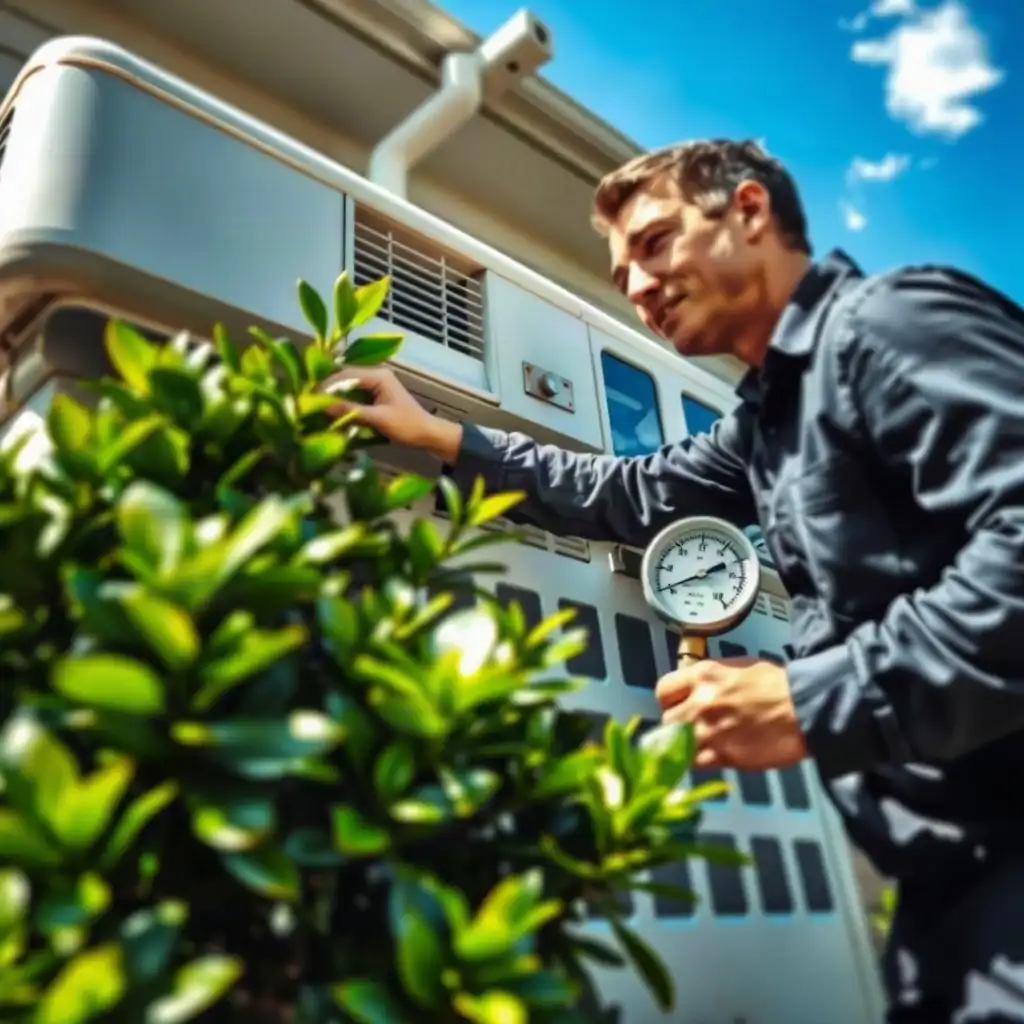
Low refrigerant levels in air conditioning units often indicate deeper issues rather than normal wear and tear. If your system blows weak or warm air, or if you see unexpected increases in energy bills, investigate further before assuming a gas refill is needed. A qualified technician will check for leaks and other problems like dirty coils or blocked airflow, ensuring necessary repairs occur first. This approach saves money and extends the unit’s life by addressing root causes instead of just symptoms.
Understanding Aircond Refrigerant Function
Refrigerant is essential for air conditioning systems. It absorbs heat from inside the home and releases it outside, enabling effective cooling. This gas moves in a closed loop between the indoor unit and outdoor compressor, ensuring proper AC function. Unlike fuel or oil, refrigerant does not get used up; low levels typically indicate a leak rather than regular wear. Understanding this difference can help avoid unnecessary expenses, only refill after checking for leaks.
A skilled technician will first check for issues like dirty coils or restricted airflow before deciding on a refrigerant refill; these problems can produce similar signs as low refrigerant but require different fixes.
Common Signs of Low Refrigerant
Weak or warm air from your unit often indicates a problem. You may notice your system running longer than usual and struggling to reach the desired temperature. If you’ve cleaned the filters and vents but still feel uncomfortable, it’s time to investigate further.
Ice Formation
Ice on the evaporator coil or copper pipes may signal low refrigerant levels, but poor airflow due to dirty components can also cause icing. If you hear hissing or bubbling sounds near the unit, this could indicate refrigerant leakage, requiring immediate assistance from a qualified technician.
Increased Energy Bills
If you notice unexpected spikes in your electricity bills despite unchanged usage habits, your system may be working harder due to insufficient gas, this warrants further investigation before deciding on refilling.
The Pros & Cons of Aircond Gas Refills
Pros
-
A refill can boost cooling efficiency when refrigerant levels drop, making your indoor space more comfortable.
-
It might help lower electricity bills if the air conditioning unit has been working overtime due to low gas levels.
-
Fixing low refrigerant levels can protect the compressor from further damage and may save you from expensive repairs down the line.
-
Professional refills come with leak detection and repair, offering a lasting solution instead of just a quick fix.
-
Following the correct refill process keeps your system running well by using the right type of refrigerant.
-
Regular inspections can spot other problems like dirty filters or airflow blockages that could also impact performance.
Cons
-
Refilling without fixing leaks is just a temporary fix, which means you'll keep spending money in the long run.
-
The price for refilling varies from RM80 to RM200 based on the type of refrigerant and who provides the service. If leaks are not fixed, these costs can add up quickly.
-
Trying to refill your system yourself could cause injuries or harm the environment if you don’t handle refrigerants correctly.
-
Technicians with less experience might misinterpret problems, resulting in unnecessary refills instead of proper repairs.
-
Relying only on top-ups and skipping regular maintenance may cause you to miss other issues that affect how well your air conditioning works.
-
Using incompatible refrigerants can damage your system and void any warranties.
Identifying Causes of Refrigerant Loss
Refrigerant loss usually occurs due to leaks in the air conditioning system, making it essential to identify the causes to maintain proper function. The refrigerant circuit has a closed-loop design, meaning that under normal conditions, the gas should remain at a steady level; any drop indicates an issue.
Common causes include wear on copper piping joints or connections that can develop cracks over time. Improper installation using weak flaring techniques, often seen in newer models, can also lead to early failures.
If you frequently refill your refrigerant or have recently had significant repairs like a compressor replacement, ensure proper leak detection has been conducted first. Otherwise, you may be addressing symptoms rather than the underlying problem. This approach protects your investment and prevents ongoing costs from unresolved leaks.
Always consult certified technicians who understand how environmental factors affect performance and can provide accurate assessments tailored to your unit’s needs.
Diagnosing Issues: Gas Vs. Dirt
While low refrigerant levels may seem like the main reason your air conditioning isn’t cooling, dirt and debris can also cause similar issues. If your air conditioner is blowing warm air but appears to function normally, it may not need a gas refill; dirty filters or coils could be blocking airflow. This blockage can force your system to run longer to reach the desired temperature. Ice forming on parts like evaporator coils can mislead homeowners into thinking there’s a refrigerant problem when cleaning is all that’s needed.
Listen for Unusual Sounds
Pay attention to any strange noises, like hissing or bubbling sounds near either unit, which could indicate escaping refrigerant due to leaks at fittings. These signs should prompt further investigation rather than immediate refilling without confirming an actual leak. Also, watch for changes in energy bills that don’t match your usage; while this suggests inefficiency, it’s not an automatic reason for a top-up since various factors contribute, including wear and tear on electrical components.
Get Professional Help
Determining whether you need more gas or just maintenance requires insight from professionals who will thoroughly check every part of your HVAC system before deciding on refilling the gas supply.
Signs Your Air Conditioner Needs Gas Refill
| Service Provider | Location | Year Established | Estimated Price Range for Gas Refill | Additional Charges for Leak Detection and Repair | Contact Information |
|---|---|---|---|---|---|
| Sifu Engineering Sdn Bhd | 14A, Jalan Keli, Taman Kerian Permai (Fasa 4A), 34200 Parit Buntar, Perak | 2019 | RM80 – RM150 | Not specified | [email protected] |
| Aircond Man | Klang Valley | 2017 | Not specified | Not specified | Not specified |
| AircondCare.my | Kuala Lumpur & Selangor | 2010 | RM80 to RM180 | RM80 to RM250+ | Not specified |
| Total Aircond Service | Kuala Lumpur & Selangor | 2009 | RM80–RM200 | Not specified | Not specified |
| Recommend.my | Malaysia | Not specified | Not specified | Not specified | Not specified |
Proper Procedure for Gas Refill
The process for a gas refill starts with checking the air conditioning system for leaks, essential for long-term efficiency. A trained technician uses methods like the soap bubble test or electronic leak detectors to find issues accurately. After locating potential leaks, they repair any identified problems; ignoring these can lead to refrigerant loss and unnecessary refills that mask deeper issues.
Once repairs are confirmed, the technician vacuums the system to remove moisture and contaminants that could affect performance. They refill the unit with the correct refrigerant, like R22 or R410A, ensuring it matches manufacturer specifications for compatibility and safety while monitoring pressure levels throughout the process. The job typically takes 30 minutes to an hour, depending on complexity and necessary repairs, along with verifying optimal pressure readings after the refill before completing the service.
Types of Refrigerants and Pressure Readings
Understanding the types of refrigerants used in air conditioning systems is important for maintaining and operating them effectively. The most common ones are R22, R32, and R410A. Each type has unique characteristics that influence unit performance; for example, R22 operates efficiently at a lower pressure than R410A.
Pressure readings are crucial for diagnosing system health, ideal figures vary by refrigerant type and environmental conditions. Typical operational pressure might be around 65 PSI for R22 or 130 PSI for R410A under normal conditions, but these values can change with ambient temperature.
A qualified technician will use manifold gauges connected to the service port on your compressor to check these pressures accurately within about 10-20 minutes, a key diagnostic step before determining if you need more refrigerant or if other issues are affecting performance.
Remember: mixing different types of refrigerants is not advisable and could cause serious damage; therefore, knowing which one suits your system is essential during any refilling process.
Unveiling Air Conditioning Gas Refill Myths
-
Many people think air conditioning refrigerant needs to be refilled regularly, like petrol or engine oil. In a properly sealed system, refrigerant doesn’t get used up and should stay inside the unit unless there’s a leak.
-
When an air conditioning unit isn’t cooling well, many assume it’s due to low refrigerant levels. In reality, issues like dirty filters, blocked airflow, or drainage problems can also lead to poor cooling performance.
-
Some believe ice or frost on the indoor unit means there's a refrigerant leak. While icing can signal low refrigerant levels, it might also occur due to dirt buildup and reduced airflow; therefore, a professional diagnosis is crucial.
-
A common belief is that hissing or bubbling sounds near the air conditioning unit always mean refrigerant is leaking. These noises could indicate a leak, they don’t guarantee one exists without further checking.
-
Many people think topping off the refrigerant will solve ongoing cooling problems. Repeatedly adding more without fixing underlying leaks can become expensive over time since it's only a short-term solution.
Cost of Gas Refills and Repairs
The costs for gas refills and repairs can vary significantly based on several factors, including the type of refrigerant your system uses and whether any additional services are required.
Costs Overview
The costs associated with gas refills and repairs can vary significantly based on several factors, including the type of refrigerant your system uses and whether any additional services are required.
Refrigerant Pricing
an R32 top-up for residential units typically ranges from RM80 to RM180, while an R410A refill may be estimated between RM80 and RM200.
Leak Repairs
If a leak is detected during servicing, you might face extra charges ranging from RM80 to over RM250 for necessary repairs, expenses that could easily outweigh the cost of multiple top-ups if not addressed promptly.
Market Conditions
It’s essential to understand that these prices reflect market conditions as of 2026; fluctuations can occur depending on location and service provider specifics.
Frequent Refilling Caution
Homeowners should remain cautious about frequent refilling needs; recurring expenses indicate unresolved issues rather than routine maintenance requirements.
Importance of Qualified Technicians
This highlights the importance of having qualified technicians conduct thorough inspections before authorizing any work, investing in proper diagnosis today can save you from costly repairs tomorrow while ensuring your air conditioning unit runs at peak efficiency.
Routine Maintenance Vs. Emergency Refills
Routine maintenance and emergency refills serve distinct purposes for your air conditioning system. Regular servicing includes a thorough check-up focused on cleaning, inspections, and preventive care. This involves changing filters, washing coils, checking fan motors, inspecting electrical components, and ensuring proper drainage. Scheduled maintenance every 6 to 12 months, or as often as every 3 to 4 months during peak usage, can significantly extend your unit’s lifespan and improve efficiency.
Gas refilling is a reactive measure. When refrigerant levels drop due to leaks or other problems within the closed-loop system, a refill is needed only after addressing underlying issues. It’s essential not to confuse routine servicing with an automatic top-up; if lukewarm air blows from vents despite recent service checks or if ice buildup on coils indicates low refrigerant levels, confirm leaks first.
Determining whether you need regular maintenance versus a gas refill often requires expertise from certified technicians familiar with these systems. A well-trained professional will assess all aspects before deciding if additional refrigerants are necessary. They’ll look for signs like icing formations or unexpected spikes in energy bills that could indicate inefficiency unrelated to refrigerant loss.
Be cautious when faced with recommendations for immediate gas top-ups during routine visits unless there’s solid evidence of a leak, a practice some providers might use for quick profits rather than genuinely helping homeowners maintain their cooling systems effectively over time. The cost savings from regular preventative measures far outweigh those associated with frequent emergency repairs driven by unresolved issues disguised as temporary fixes like unnecessary refueling.
Prioritizing thorough diagnostics helps ensure you’re treating root causes instead of alleviating symptoms via gas additions alone; this strategy fosters long-term reliability while minimizing ongoing costs tied to inefficient operations spurred by neglectful upkeep or hasty decisions made without full understanding of HVAC performance management.
Ensure Efficient Air Conditioning
Ensuring efficient air conditioning involves more than adding refrigerant; it requires understanding your system’s condition and function. Regular maintenance is essential to avoid issues that could lead to unnecessary refills. Scheduling inspections every 6 to 12 months helps identify potential problems, like dirty filters or blocked coils, before they escalate into larger issues like low refrigerant levels. If you experience weak cooling or high energy bills, have a technician check your unit thoroughly before assuming a gas refill is needed. This proactive approach extends the life of your air conditioning system and ensures it runs reliably and efficiently.
Remember
Maintaining optimal conditions in the closed-loop system means addressing root causes rather than just symptoms, a strategy that keeps operational costs down while ensuring comfort throughout the season.
FAQ
What are the signs that my air conditioning unit may have low refrigerant levels?
Signs of low refrigerant in your air conditioning unit include weak air, ice formation, hissing noises, unusual cycling, higher bills, and increased water leakage.
How can I ensure that a refrigerant refill is necessary for my air conditioning system?
Signs your air conditioning system needs a refrigerant refill include weak airflow, ice buildup, strange noises, or increased electricity bills; consult a qualified technician for diagnosis.
What steps should a technician follow when diagnosing and refilling refrigerant in an AC unit?
A technician should first check for and repair leaks in an AC unit before vacuuming the system and refilling it with refrigerant.
Why is it important to repair leaks before refilling refrigerant in my air conditioning system?
Repairing leaks before refilling refrigerant is essential to avoid repeated costs and potential system damage, as frequent top-ups can cost around RM240 annually, while leak repairs range from RM150 to RM250.