Does Your Aircond Need a Chemical Wash?
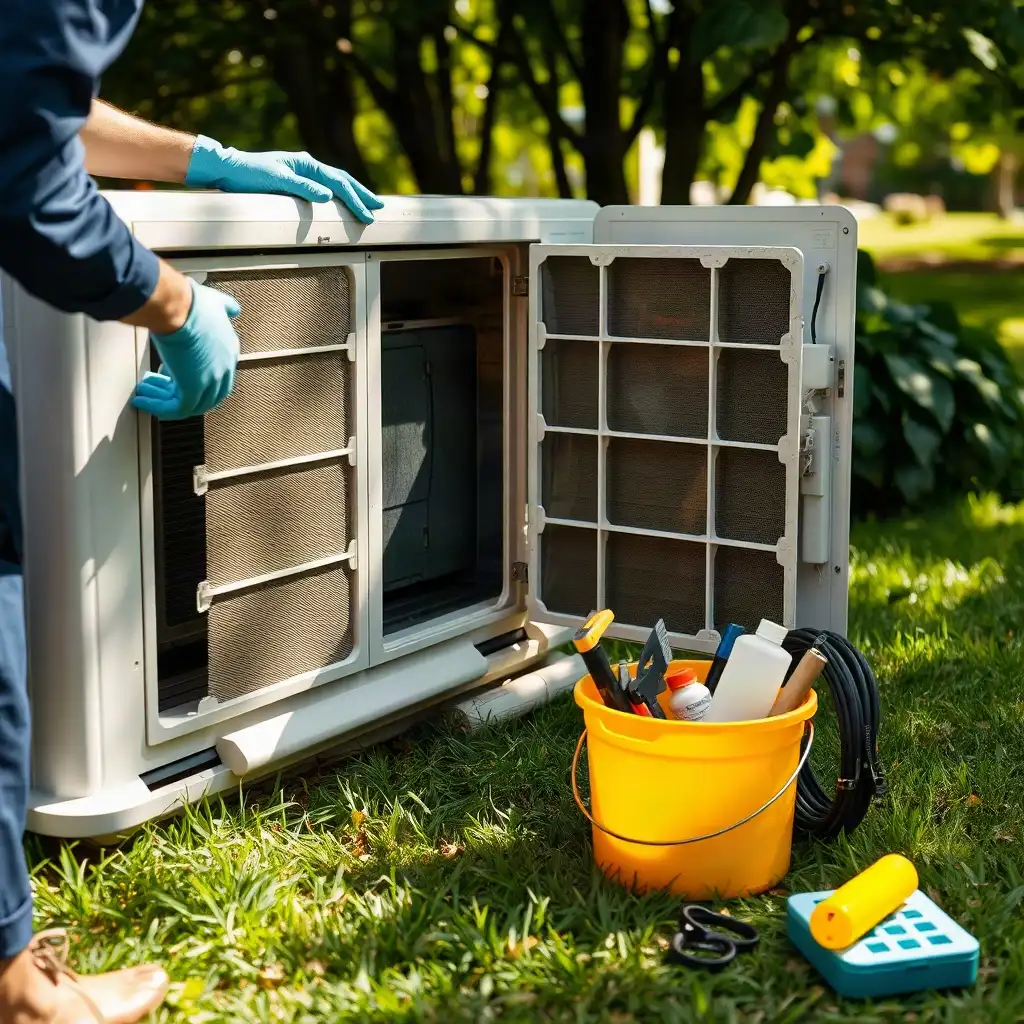
An air conditioning unit needs a chemical wash to maintain efficiency and air quality. Dust, dirt, and mold build up over time, leading to lower performance and health risks. If you notice weak airflow, musty smells, or water leaks, it may be time for a professional chemical wash. Cleaning important parts like evaporator coils and blower fans can boost cooling power by up to 30%, improve indoor air quality, and reduce energy costs.
Signs Your Aircon Needs a Chemical Wash
Weak airflow, unusual smells, and water leaks are signs that your air conditioner may need a chemical wash. If the cool air isn’t as strong as before or if your unit runs longer than normal without cooling properly, this could indicate internal buildup affecting performance. Musty odors may signal mold or mildew in the system; these issues require more than just changing filters. Water around your unit may indicate clogged drainage channels that need cleaning to prevent overflow and damage. Strange noises, like rattling or hissing, can suggest deeper problems caused by dirt blocking essential functions. While not every symptom requires immediate help, they often indicate that a professional check-up is necessary; addressing these issues early helps maintain efficiency and extends the life of your HVAC system.
Chemical Wash Versus Chemical Overhaul
When keeping your air conditioning unit clean, it’s important to know the difference between a chemical wash and a chemical overhaul. A chemical wash focuses on specific parts that need cleaning without disassembling the entire system. It uses strong solutions to break down dirt, mold, and bacteria that regular maintenance might miss. In contrast, a chemical overhaul involves taking apart major components for thorough cleaning; this is usually recommended for older units or those still having problems after a standard wash.
Choosing between these options depends on your AC’s performance issues and its age, newer models typically don’t need extensive treatment if they are functioning well. While both methods aim to improve efficiency and air quality by removing contaminants, their approaches differ based on each unit’s situation.
Chemical Wash
A chemical wash targets key components needing attention but doesn’t involve complete disassembly of the system.
Chemical Overhaul
A chemical overhaul means extensively dismantling parts for individual cleaning.
Choosing Between Them
The choice depends on symptoms in your AC’s performance as well as its age.
The Pros & Cons of Chemical Air Conditioning Care
Pros
-
A chemical wash can effectively remove dirt, grime, and mould from internal components, which could improve cooling efficiency by 20-30%, according to a guide focused on Singapore.
-
It tackles ongoing problems like weak airflow, poor cooling performance, and bad smells when regular servicing isn’t enough.
-
Professional cleaning helps keep energy consumption at an ideal level, potentially lowering electricity bills due to reduced strain on the unit.
-
Regular maintenance can extend your air conditioning system's lifespan by preventing buildup that leads to further mechanical issues.
Cons
-
Not all units need chemical washes; newer models without performance issues might not require deep cleaning right away.
-
The services offered by different providers can vary a lot, which may cause confusion about what’s included in a chemical wash compared to an overhaul.
-
Trying to do a chemical wash yourself could damage your unit or void warranties because of mishandling sensitive parts and chemicals.
-
Professional service costs range from $80-$120 for wall-mounted units and $150-$250 for overhauls per unit, which is something budget-conscious consumers should consider.
Components Cleaned During Treatment
During a chemical wash, key parts of the air conditioning system receive attention. This includes the evaporator coils, essential for heat exchange; dirt buildup here can hurt cooling efficiency. The blower fan is cleaned to ensure proper airflow throughout the home. Drain pans and pipes are also thoroughly cleaned since their condition impacts water drainage, clogs can cause overflow issues. Filters receive focus during this process because they catch airborne particles and affect indoor air quality.
Condenser Coil
The condenser coil located outside is important; while it may be handled separately during outdoor maintenance, its state greatly affects the system’s performance. A dirty condenser coil struggles to release heat efficiently, leading to higher energy use and lower overall unit performance. Regular service of these components through chemical washing or other methods based on usage factors, like how often the AC runs or local environmental conditions, helps improve AC longevity and reliability.
Scheduling professional check-ups helps catch potential buildup before it becomes a major problem, a proactive strategy keeps the HVAC system running smoothly without unexpected costs or repairs.
Cleaning Frequency and Usage Factors
Determining how often to clean your air conditioning system requires understanding key factors, like usage and the surrounding environment. Not all units need the same maintenance; for example, a central AC running daily in a dusty area requires more frequent cleaning than one used occasionally in a cleaner space. Heavy usage can lead to faster dirt buildup, units running 10 to 12 hours daily might benefit from cleaning every six months, while those operating four to six hours could wait about a year between washes.
Environmental Factors
If you live near construction sites or have pets that shed fur and dander, expect shorter intervals for servicing due to increased contaminants. For newer models with advanced filters or self-cleaning features, an initial wash after 12 to 18 months is usually sufficient unless performance issues arise sooner.
Professional Inspections
Regular inspections by professionals help catch potential problems early and allow technicians to assess whether deeper fixes are needed based on your equipment’s age and condition.
This proactive approach means scheduling timely evaluations will keep your HVAC working well without unexpected repair costs, a strategy worth considering as part of responsible homeownership.
Signs Your Aircon Needs a Refresh
| Service Type | Description | Suggested Frequency/Timing | Price Range (SGD) | Duration | Contact Information | |
|---|---|---|---|---|---|---|
| Chemical Wash | Cleaning internal components with chemical solutions to remove stubborn contaminants. | Annually, or as needed based on symptoms; every 6 months for HDB units running 10-12 hours daily; every 12 months for living-area units used 4-6 hours daily. | $80-$120 for wall-mounted split units; $120-$150 for ceiling cassette units. | 1-2 hours | AccuAir Heating and Cooling: 541-504-8400; Aircon Express: +65 8115 5955; Jiaxing: 89 Kaki Bukit Ave 1 #02-00 (S) 417957 | |
| Chemical Overhaul | Extensive cleaning involving complete disassembly of the unit for thorough inspection and maintenance. | Every 1-2 years, depending on usage and condition. | $150-$250 per unit | 3-5 hours | Pro-Tech HVAC Home: 326 First Street | Suite 103 Annapolis, MD 21403 |
| Outdoor Condenser-Coil Cleaning | Specific cleaning for outdoor coils to improve heat transfer efficiency. | Annually in Fall or Spring. | Not specified | Not specified | Confirm with local provider | |
| Steam Cleaning | Alternative cleaning method using high-temperature steam to sanitize surfaces. | Suitable for routine maintenance or when chemical-free is preferred. | Not specified | Not specified | Confirm with local provider | |
| Regular Servicing | Routine maintenance including filter cleaning and performance checks. | Every 3 months during the first year for new units. | Not specified | Not specified | Confirm with local provider |
Benefits for Cooling and Efficiency
A clean air conditioning system leads to better cooling and energy efficiency. When the internal parts are clear of dirt, grime, and microbial growth, they work effectively. Improving airflow through the evaporator coils can boost your unit’s cooling capacity by 20-30%. This ensures that every part of your home receives enough cool air while keeping energy use low. Using a chemical wash on problem areas, like clogged filters or dirty blower fans, reduces strain on your AC system, meaning it won’t have to run as long or hard to maintain comfort. Addressing musty odors enhances indoor air quality by removing contamination sources instead of masking them with scents. The long-term advantages include lower electricity bills because less stress is placed on the compressor and other components when they operate optimally after thorough cleaning.
Chemical Solutions and Steam Cleaning
Chemical solutions and steam cleaning offer different methods to clean air conditioning units. A chemical wash uses biodegradable agents that penetrate components like evaporator coils and blower fans, breaking down dirt and mold that regular cleaning may miss. This process often requires disassembling parts of the system for thorough cleaning without dismantling the entire unit.
In contrast, steam cleaning uses high-temperature steam, around 140-160°C, to sanitize surfaces while leaving minimal chemical residue. It is effective for lighter contamination but may struggle with tougher buildup. Both methods aim to enhance performance by improving airflow and cooling efficiency; the best choice depends on your AC system’s condition and your preferences regarding chemicals.
Important Considerations
It’s essential to have professionals manage these processes since improper techniques could lead to poor results or potential damage and safety risks within your HVAC setup.
Air Conditioning Myths and Chemical Wash Facts
-
Many people think that every air conditioner needs a chemical wash regularly, but that's not true. Whether you need a chemical treatment depends on specific symptoms and conditions instead of following a set schedule.
-
A common misunderstanding is that regular servicing or basic cleaning can fix all air conditioning problems. If issues continue after routine maintenance, a chemical wash may be necessary to tackle the dirt, grime, and other contaminants.
-
Some believe that chemical washing and chemical overhauls are the same. In reality, a chemical wash involves taking apart parts of the unit for cleaning key components, while a chemical overhaul means completely disassembling the unit to inspect major parts.
-
Many assume that seeing mould or smelling bad odours inside an air conditioner can be fixed just by cleaning the filter. These signs might indicate a need for a chemical wash to effectively remove the cause of contamination.
-
It’s often thought that older air conditioning units need more frequent chemical washes. While age can play a role, newer units running smoothly without performance issues may not require immediate attention through chemicals.
Service Costs and Professional Handling
The costs for chemical washing and professional maintenance of your air conditioning unit can differ based on several factors, like the type of unit and the amount of service needed. A chemical wash for wall-mounted split units typically ranges from $80 to $120. In contrast, ceiling cassette units cost between $120 and $150 because they are more complex and harder to access.
If you’re servicing multiple units, bundling services may save money. Three single-unit washes could total around $250, about $83 each. If your system needs a deeper clean through a chemical overhaul, which involves taking it apart completely, the price generally falls between $150 and $250 per unit. This process takes significantly longer (3-5 hours) compared to 1-2 hours for a standard wash.
Investing in professional maintenance ensures technicians use the right cleaning solutions while avoiding problems that may arise from DIY methods. Improper cleaning can damage or reduce efficiency in your HVAC system, a risk better managed by qualified professionals who understand manufacturer recommendations and specific procedures suited for your equipment’s needs.
When an Overhaul May be Unnecessary
Understanding when a chemical overhaul is needed can be tricky. Not every air conditioning unit requires extensive cleaning, especially if it’s newer and running smoothly. For many homeowners, regular maintenance may suffice to keep the system in good shape. If your AC has weak airflow or makes strange noises but still cools well and doesn’t leak water, you may not need an overhaul; a professional inspection can help clarify.
Chemical washes address common issues like musty smells or minor blockages that routine servicing can’t fix. If your unit has functioned well for years without major performance drops or visible dirt buildup, delaying an overhaul may be wise until more problems arise or efficiency declines.
Each situation needs careful assessment by qualified technicians who can provide personalized advice based on observations rather than jumping into costly repairs that might not be necessary.
Impact on Warranty and Manufacturer Recommendations
When considering how air conditioning maintenance affects your warranty, it’s essential to follow the manufacturer’s recommendations. Many manufacturers provide specific cleaning instructions and acceptable products in their manuals. Failing to adhere to these guidelines may void your warranty, especially if unauthorized chemicals or procedures are used. Before scheduling a chemical wash or major repair, review your unit’s documentation to avoid unexpected costs.
Consult Authorized Service Providers
It’s also wise to discuss practices with authorized service providers. Each brand may have different requirements that influence cleaning frequency and methods for optimal performance without risking damage or losing coverage. By following approved methods, like using biodegradable solutions specified by qualified technicians, you’ll protect your investment, keep your HVAC system efficient, and maintain indoor air quality standards essential for health and comfort at home.
Making Informed HVAC Decisions
Making smart choices about air conditioning maintenance is crucial for its performance and longevity. Pay attention to how your unit behaves, issues like weak airflow, odd smells, or strange sounds indicate its condition. If cleaning doesn’t resolve these problems, consider a chemical wash before major repairs.
Choosing the right option depends on the age of your system and its usage; newer units typically require less drastic measures unless clear issues arise. Also, consider environmental factors like dust or pet hair that can accelerate dirt buildup.
Regular check-ups with reliable professionals help you make informed decisions based on your equipment’s needs while ensuring efficient operation at home. This not only maintains comfort but may also lower energy costs, as neglected systems struggle to maintain desired temperatures.
FAQ
What are the signs that indicate my air conditioner may need a chemical wash?
Signs your air conditioner needs a chemical wash include weak airflow, poor cooling, bad smells, water leaks, strange noises, and visible dirt or mold.
How do I differentiate between a chemical wash and a chemical overhaul for my HVAC system?
A chemical wash involves partial disassembly for cleaning, while a chemical overhaul requires complete disassembly and detailed inspection of the HVAC unit.
What is the recommended frequency for cleaning my air conditioning unit based on its usage?
Clean your air conditioning unit every 6 months if used 10-12 hours daily, yearly for 4-6 hours, and every 3-4 months for commercial units; check with local providers for updates.
Why is it important to use qualified technicians for chemical cleaning of my air conditioner?
Using qualified technicians for chemical cleaning of air conditioning units is crucial to avoid damage, safety risks, and potential warranty voiding.
What should I check in my air conditioner's manual regarding maintenance and warranty before scheduling a service?
Check the air conditioner’s manual for maintenance guidelines and warranty terms, as some cleaning methods may void coverage or require specific procedures. The companion guide to safe filter cleaning covers the other part of this cleaning decision.