Aircond Issues to Watch for as Monsoon Approaches
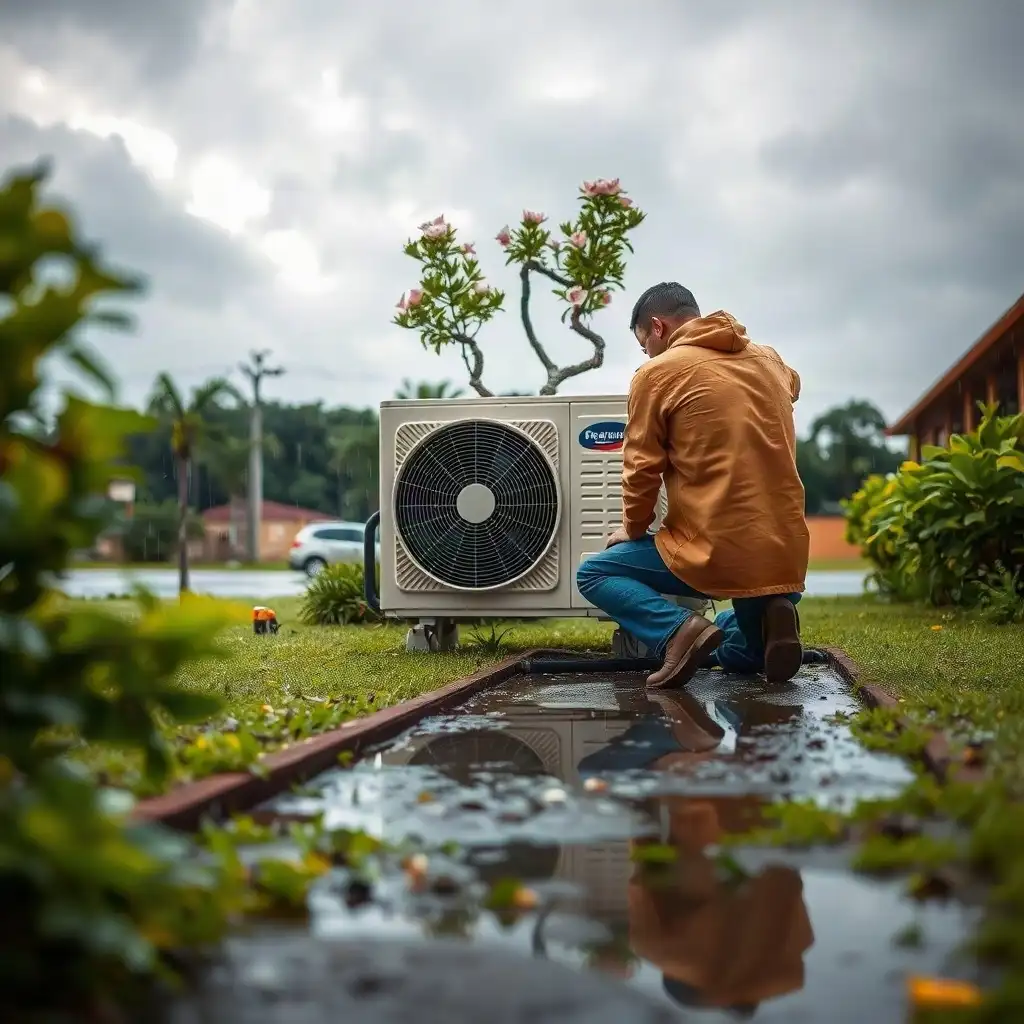
Key Takeaways
- Homeowners learn how to prepare air conditioning systems for the monsoon season, addressing issues from higher humidity and rainfall.
- This article emphasizes the importance of regular maintenance checks, including inspecting condensate drains and protecting outdoor units from debris and flooding.
- Readers receive tips to improve indoor air quality and system efficiency, ensuring comfort during Arizona’s summer months.
Dust and Debris Restricting Airflow
As the monsoon season approaches, homeowners should pay attention to how environmental changes can affect their air conditioning systems. Strong winds can stir up dust and debris around outdoor units, blocking vents or obstructing airflow necessary for efficient operation. Fine particles from desert conditions can accumulate on condenser coils, reducing heat transfer and increasing energy use as the system struggles to maintain comfort.
To reduce these risks, maintain a clear zone of at least two feet around your equipment; this space improves airflow and helps identify problems before they worsen. Regularly clearing away leaves and other loose materials will protect against storm-related wear while keeping your system running well during peak humidity months like July through September in Arizona’s hot climate.
Windblown Objects and Physical Damage
As storms approach, homeowners must consider the risks from objects blown by the wind. Strong winds can turn everyday items into projectiles that may damage outdoor HVAC units. Unsecured items, like patio furniture or garden tools, can cause issues like bent condenser fins or damaged exterior panels, affecting system performance. Homeowners should secure loose items in advance to reduce hazards during stormy weather. Maintaining landscaping around the unit helps limit debris build-up and ensures proper airflow for cooling efficiency.
After a Monsoon Storm
After a monsoon storm passes, it’s crucial to check for visible damages from a safe distance before taking further steps. Homeowners should first look for fallen branches or other debris near their units without compromising safety during bad weather. If there are signs of significant impacts or water infiltration into electrical components, like discolored wiring or rust, it’s wise to call a professional inspector immediately instead of waiting for operational problems to arise later when air conditioning use spikes after heavy rain during Arizona’s summer months.
The Pros & Cons of Monsoon Air Conditioning Care
Pros
-
Regular maintenance before the monsoon season helps you spot any issues and get your equipment ready for dust, rain, and peak cooling needs.
-
Use Dry Mode on those humid days to boost indoor comfort while saving energy.
-
Maintain at least two feet of space around outdoor units to prevent airflow blockages from dust and debris.
-
Clean or replace filters every two weeks during the monsoon to enhance airflow and cooling efficiency.
-
Get professional assessments after storms to stop minor problems from turning into bigger issues.
Cons
-
When humidity levels rise above 80% during the monsoon, air-conditioning systems have to work harder to handle the extra moisture.
-
Flooding and standing water can seriously damage electrical parts, so it's important to get a professional assessment if this happens.
-
Objects blown by the wind might physically harm outdoor HVAC equipment unless they are secured in advance.
-
Dusty conditions can block condensate drains, which may cause leaks or even shut down your system.
-
Lightning strikes and power surges could damage sensitive HVAC components, making it necessary to take protective steps.
Lightning and Power Surges
The unpredictable nature of monsoon storms brings serious risks from lightning and power surges. These intense weather events can cause electrical fluctuations that threaten delicate parts in air conditioning systems. Components like control boards, capacitors, and circuit breakers can be damaged during severe storms. Homeowners might not notice the damage immediately; yet, a surge can show immediate signs or shorten the lifespan of affected parts if not addressed. To guard against these issues, it’s suggested to invest in HVAC-specific surge protection as a precaution.
After Storm Incidents
After any thunderstorm activity, homeowners need to stay alert. If your breaker trips, don’t ignore it; frequent tripping indicates potential problems that require professional inspection instead of just resetting it. Look for signs like burning smells or visible sparks, these should prompt you to shut down your system immediately and call qualified technicians who know how to safely diagnose electrical issues, especially after storms have passed through areas prone to high winds and rain-related challenges like those found in Arizona’s summer months. Acting quickly can help avoid minor problems turning into costly repairs later when demand for cooling services peaks after the monsoon season ends.
Flooding and Standing Water Risks
Heavy rainfall during the monsoon season increases the risk of flooding and standing water around outdoor HVAC units. While regular rain usually isn’t a problem, flash floods can create serious issues, especially if equipment is located at lower elevations. When water reaches electrical components, it can lead to hazards that homeowners might not see right away, muddy floodwater may carry contaminants or debris that complicate damage problems. It’s important to elevate air conditioning units whenever possible; yet, any changes should involve professional help to ensure safety standards are met.
If significant flooding occurs and water touches the AC unit, turning off power to the system immediately is vital for preventing electrical hazards. Homeowners need to stay alert after storms; looking for signs of shifted equipment or wet wiring can provide early warning signs of trouble. If there’s evidence of damage or excessive moisture in critical parts like control panels or refrigerant lines, scheduling a thorough inspection by qualified technicians ensures proper evaluation and repair before relying on cooling systems again during peak demand months.
Top Monsoon Aircon Concerns to Monitor
| Concern | Description | Recommended Action | Geographic Relevance | Contact Information |
|---|---|---|---|---|
| Airflow Restrictions | Dust and debris can block vents, reducing cooling efficiency. | Maintain at least two feet of clearance around units. | Arizona; Tucson; Yuma; Scottsdale; Southern Arizona | |
| Physical Damage | Strong winds can send objects toward outdoor HVAC equipment, causing damage. | Secure loose outdoor items before storms. | Arizona; Tucson; Yuma; Scottsdale; Southern Arizona | |
| Electrical Issues | Lightning strikes may cause power surges affecting HVAC components. | Install a surge protector to safeguard the system. | Arizona; Tucson; Yuma; Scottsdale; Southern Arizona | |
| Flooding Risk | Heavy rain can lead to flooding, especially with low-placed equipment. | Raise AC units higher to mitigate flood risk. | Arizona; Tucson; Yuma; Scottsdale; Southern Arizona | |
| Clogged Drains | Debris can clog condensate drains, leading to water leakage. | Regularly inspect and clean drain lines. | Arizona; Tucson; Yuma; Scottsdale; Southern Arizona | |
| High Humidity | Humidity levels often exceed 80% during monsoon season, impacting comfort and performance. | Use Dry Mode on AC for moisture control. | Arizona; Tucson; Yuma; Scottsdale; Southern Arizona | |
| Filter Maintenance | Filters collect debris quickly in dusty conditions, restricting airflow. | Clean filters every two weeks during monsoon. | Arizona; Tucson; Yuma; Scottsdale; Southern Arizona | |
| Warning Signs Post-Storm | Look for unusual noises, warm air, or physical damage after storms. | Seek professional inspection if issues arise. | Arizona; Tucson; Yuma; Scottsdale; Southern Arizona | |
| Professional Assistance | Regular maintenance can help prepare for peak demand and identify existing concerns. | Contact a professional for thorough checks. | Arizona; Tucson; Yuma; Scottsdale; Southern Arizona | Scottsdale Air Heating & Cooling: 480-467-3586; Hansberger Refrigeration: (928) 783-3331; One Hour Heating & Air Conditioning® of Tucson – 24/7 availability. |
Condensate Drain Clogs and Water Leakage
Monsoon season can challenge air conditioning systems, particularly with clogs in the condensate drain and water leakage. High humidity from heavy rain often leads to dust and debris blocking the condensate drain lines, causing water to back up into the system instead of draining properly. These blockages can result in leaks inside homes and may cause HVAC units to shut down due to safety measures that prevent overflow damage.
Homeowners should check these drains regularly during peak monsoon months, July through September, to keep them clear. Installing a condensate overflow cut-off switch can help avoid serious issues. If you notice any signs of leaking or drainage problems, seek professional help immediately; technicians have the tools and expertise for thorough inspections, preventing costly repairs while ensuring comfort during unpredictable weather.
Monsoon Season Challenges
The increased humidity can lead to clogged drains.
Importance of Regular Inspections
Check your drains throughout July-September.
Preventive Measures
Consider installing a cut-off switch for added protection.
Seeking Professional Help
Don’t hesitate; call a technician if you see any issues with leaking or drainage.
Humidity, Mold, and AC Operating Modes
High humidity during the monsoon season can make life uncomfortable and challenge air conditioning systems and indoor air quality. When moisture levels rise above 80%, homeowners may see increased mold and mildew growth if they don’t take action. One effective way to combat this is by using the Dry Mode feature on most modern AC units. This setting removes excess moisture from the air without significantly cooling the room, helping save energy while maintaining comfort. Regular maintenance checks, along with using this mode, keep your AC running smoothly on humid days.
Filter Cleanliness
Besides adjusting how your AC operates, it’s important to monitor filter cleanliness since dust and debris increase during monsoons. Clogged filters reduce airflow due to trapped particles mixed with moisture, leading to lower efficiency and potential health issues linked to poor indoor air quality. Homeowners should check filters every two weeks during rainy months; replacing them based on individual needs, every 30 days for allergy sufferers or up to 90 days otherwise, is crucial for keeping HVAC systems functioning well and preventing unpleasant odors. By following these practices, residents can effectively address humidity’s negative impacts on equipment performance and overall wellness during Arizona’s challenging summer weather.
Unveiling Air Conditioning Myths This Monsoon Season
-
Many people think that covers on outdoor air-conditioning units during heavy rain can prevent damage. While outdoor condensers handle regular rain, flash floods and standing water pose different dangers that may require professional evaluation.
-
A common idea is that high humidity only affects comfort inside. In truth, humidity increases moisture demands on your air-conditioning system, which could lead to mold growth and less effective cooling.
-
Some homeowners believe dust buildup around outdoor units doesn’t matter. Dust and debris can block airflow and disrupt heat transfer, making the system work harder and consume more energy, causing wear over time.
-
One myth is that lightning strikes immediately break down air-conditioning systems. Lightning and power surges can harm sensitive electrical parts, issues may not be noticeable right away since some components could be weakened instead of instantly ruined.
-
Many people assume once an air-conditioning unit is set up, it doesn’t need much upkeep. Checking filters and drainage regularly is crucial, especially during monsoon season, because clogged filters can greatly decrease efficiency and cause the system to shut down.
AC Filter Cleaning and Replacement
As the monsoon season approaches, homeowners should monitor their air conditioning filters. Strong winds can stir up dust and debris that clog these essential parts, leading to reduced airflow and less effective cooling. Dirty filters strain HVAC systems and raise energy bills as units work harder to maintain comfortable temperatures. Checking filters regularly, ideally every two weeks during this time, helps catch blockages before they become bigger problems.
When it’s time for a replacement, knowing your household needs is key. For families with allergies or asthma, changing disposable filters every 30 days keeps air quality high and helps the system run smoothly. If you have pets, replacing them at least every 60 days is necessary since hair and dander can accumulate quickly; other households may find changing filters every 90 days works fine under normal conditions.
Using the right size and efficiency rating when replacing or cleaning filters is crucial for proper fit, the correct dimensions enhance both airflow and filtration capacity. Choosing pleated filters can boost effectiveness because their larger surface area traps smaller particles commonly found during dusty monsoon weather.
Proactive Maintenance Matters
Staying on top of maintenance isn’t just about avoiding immediate issues; it’s also crucial for ensuring reliable HVAC performance throughout Arizona’s hot summer months after the monsoon storms pass. Taking care of your filters now prevents costly repairs later when demand spikes again, a smart move as part of regular home upkeep amid shifting weather patterns.
Post-storm AC Inspection Procedures
Following a storm, checking outdoor air conditioning units is crucial. Inspect from a safe distance for debris or damage. Look for fallen branches and loose materials that could harm the system; do not touch the unit until it is safe. If water has entered electrical parts, indicated by rust or discoloration, call a professional immediately to prevent further issues as temperatures rise after monsoon rains.
Moisture-related Issues
Pay close attention to potential moisture issues within HVAC systems after storms. Water exposure can cause corrosion and promote mold growth if not addressed promptly. If strange noises occur or cooling efficiency decreases after heavy rain, deeper problems may require expert help. Homeowners should recognize that post-storm inspections are key to maintaining system performance during Arizona’s hot summer months; neglecting this step may lead to costly repairs later when demand peaks after monsoon season.
Preparing Your AC for Monsoons
As the monsoon season approaches, homeowners must prepare their air conditioning systems for potential challenges. Strong winds and heavy rain can impact HVAC performance. One important step is securing outdoor units by ensuring at least two feet of clearance around them; this space allows proper airflow and helps identify issues early. Homeowners should also regularly remove debris, like leaves or loose materials, that could block vents or damage equipment during storms.
Insulation Matters
to clearing the area around outdoor units, good insulation is essential for protecting against moisture issues when the rains start. Sealing electrical connections tightly will prevent water intrusion, which can cause corrosion or short circuits in critical components. Homeowners should also understand their system’s operating modes: using Dry Mode on humid days can reduce excess moisture without overworking the unit. This preparation boosts cooling efficiency and extends the lifespan of HVAC systems during Arizona’s unpredictable seasonal conditions from June through September.
FAQ
What are the main risks to air-conditioning systems during the monsoon season?
During the monsoon season, air-conditioning systems face risks like airflow blockage, damage from debris, and moisture-related issues that can reduce efficiency and lifespan.
How often should homeowners clean or replace their AC filters during monsoon weather?
During monsoon season, homeowners should clean or change AC filters every two weeks to maintain airflow and efficiency, with more frequent changes for those with allergies or pets.
What precautions can be taken to protect outdoor HVAC equipment from windblown debris?
Secure loose items and maintain at least two feet of space around your outdoor HVAC unit to prevent debris damage during storms. Regularly remove leaves and branches to avoid airflow blockages.
What should homeowners do if floodwater reaches their outdoor air-conditioning unit?
Homeowners must turn off their air-conditioning system if floodwater reaches the outdoor unit and wait for a professional assessment before turning it back on.
How can high humidity levels during monsoon affect indoor comfort and cooling performance?
High humidity during the monsoon can make indoor conditions uncomfortable and affect air conditioning efficiency, leading to issues like mold growth and condensation; using Dry Mode, maintaining 24°C to 26°C, closing doors and windows, and regular filter cleaning can help.
What steps should be taken after a storm to assess potential damage to an air-conditioning system?
After a storm, homeowners should check their air-conditioning systems for damage, unusual noises, warm air from vents, and water leaks, and call a professional if needed.